
Written by Emma and Brooks Morgan
A few weeks ago, Brooks Morgan and I traveled to Massachusetts to visit Sturbridge Village.
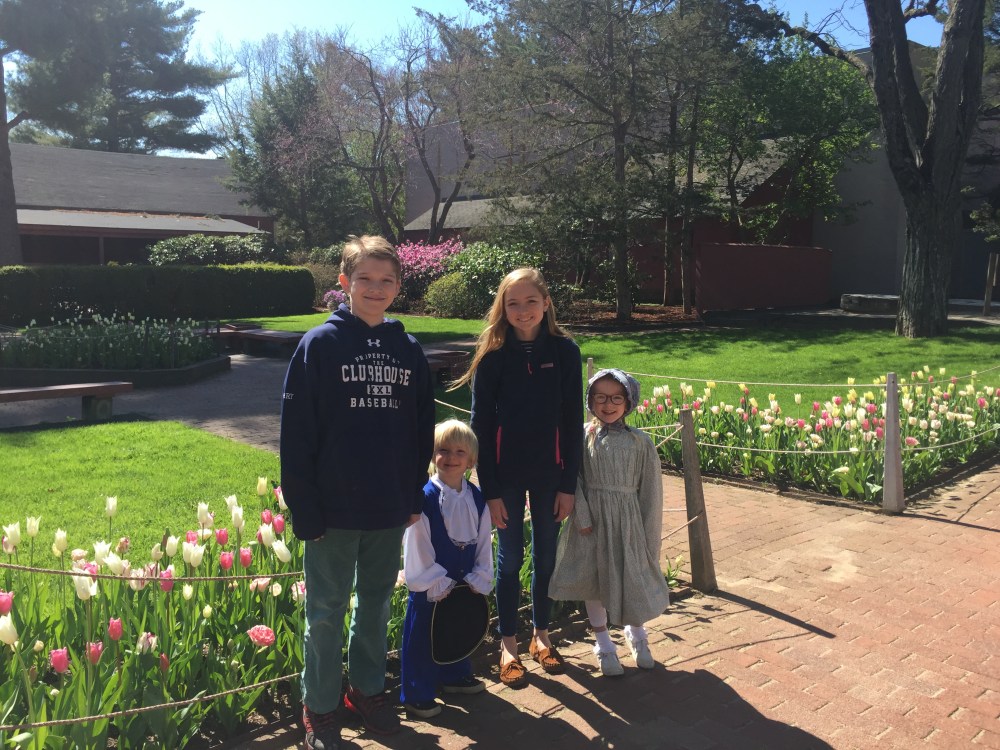
Left to right: Brooks Morgan, Junior Wonderland BookSaver Wills, Emma, and Junior Wonderland BookSaver Ella
Sturbridge Village is a reenactment town that contains houses, stores, and villagers that do the jobs that would have been done in the 1830s. There are potters, shoe makers, farmers, tin makers, women gardening, and just people walking through the streets. All of these people are in character and doing their jobs and answering questions so that visitors can see what it would have been like in that time period.


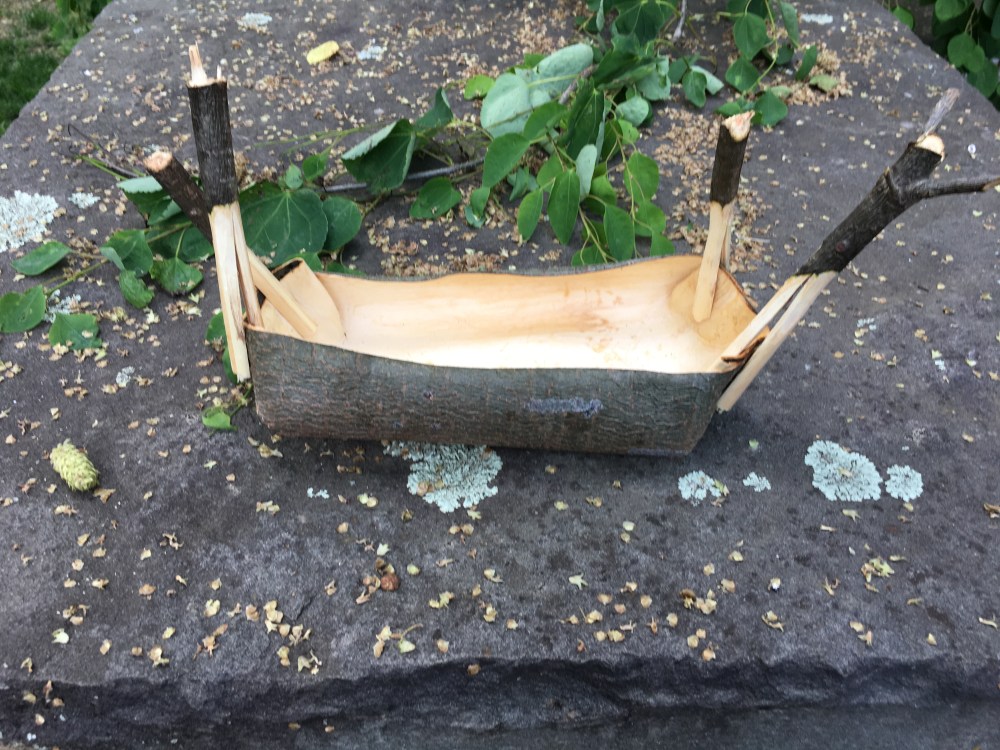
There are also classes for students and we took Wood lore. We walked around the town learning about trees and special properties of these trees. One of our favorites was a tree that had a sap which closes and heals wounds, and we both put the sap on our minor scrapes on our fingers, and to our surprise, it actually did help heal. Our instructor used his knife to cut bark off a section of a tree, and showed us how to make a container to boil water in so that in the rare occasion that we were stuck in the woods alone, we would be able to collect water and prepare food. He used clips made out of sticks that he cut a slot in to hold the whole container together. We were both fascinated by this technique since he literally took a cylinder piece of bark and cut it and folded it into this container.
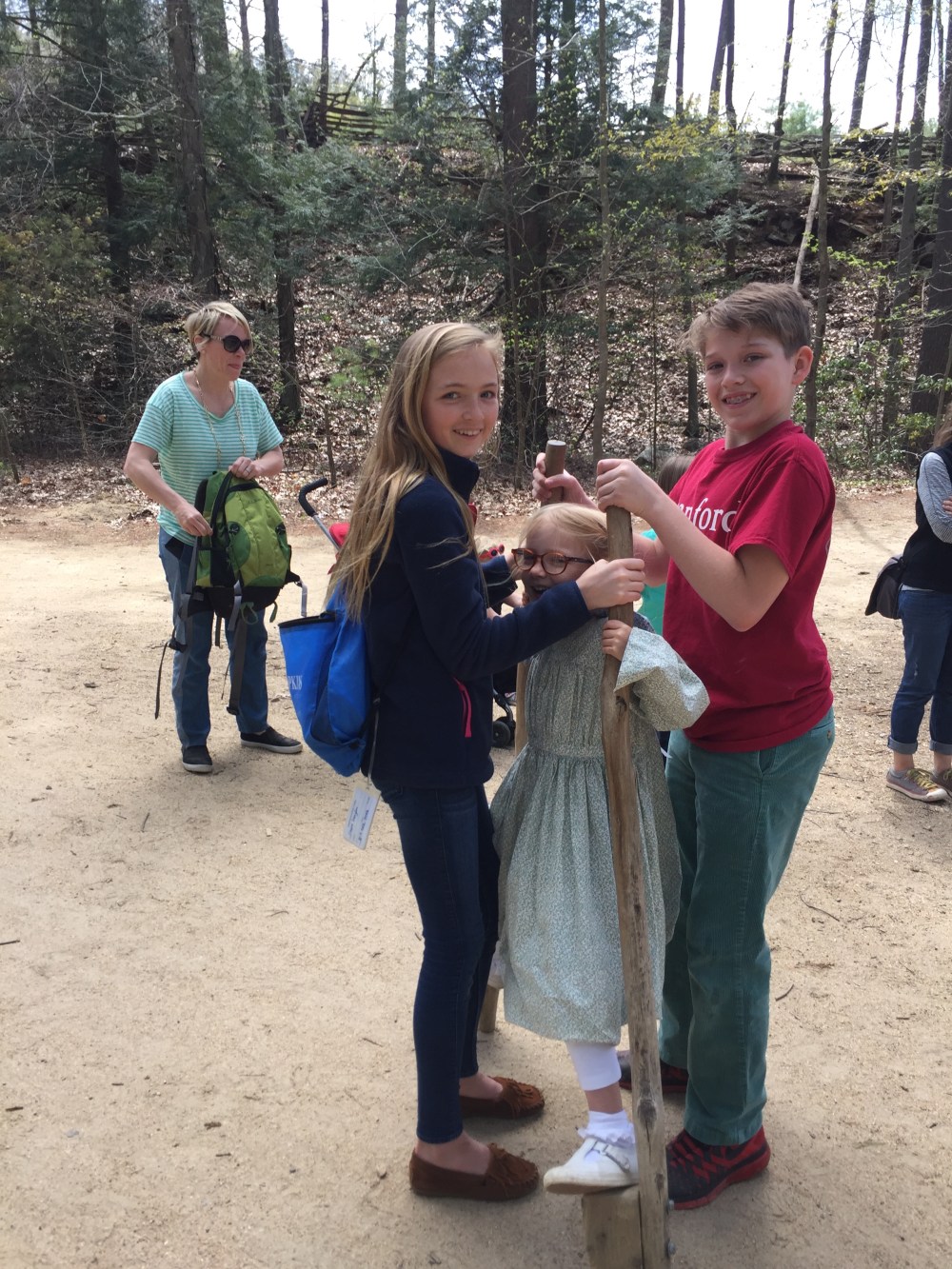
After our class we walked around the town doing activities. At the school house, we practiced walking on stilts and successfully managed doing about 10 steps.
We had a picnic lunch in the center of the town at the big green grass area, and afterwards went from house to house and shop to shop and going in to see rooms, furniture, and sometimes people inside who would tell us stories and answer questions. We learned a lot on this trip from the very informative people, and definitely enjoyed our trip to Sturbridge Village and look forward to going back.
Written by Emma and Brooks Morgan


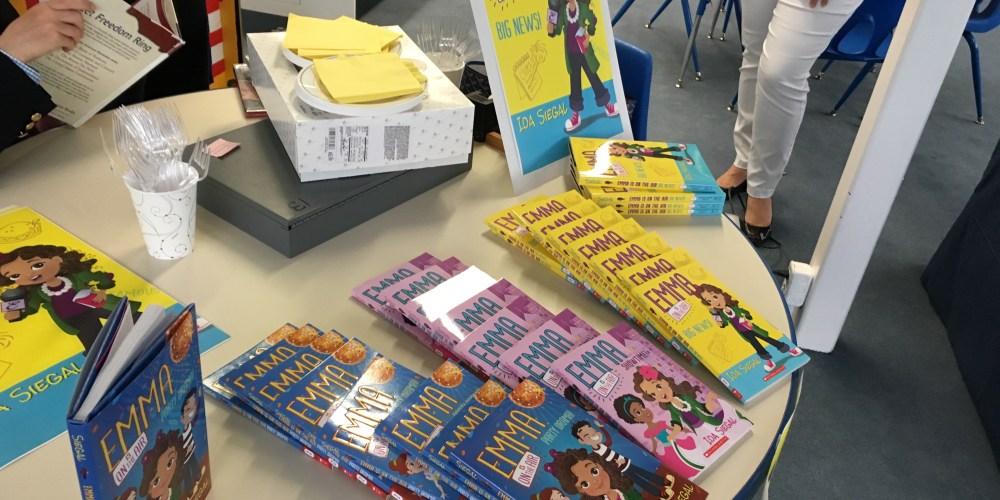

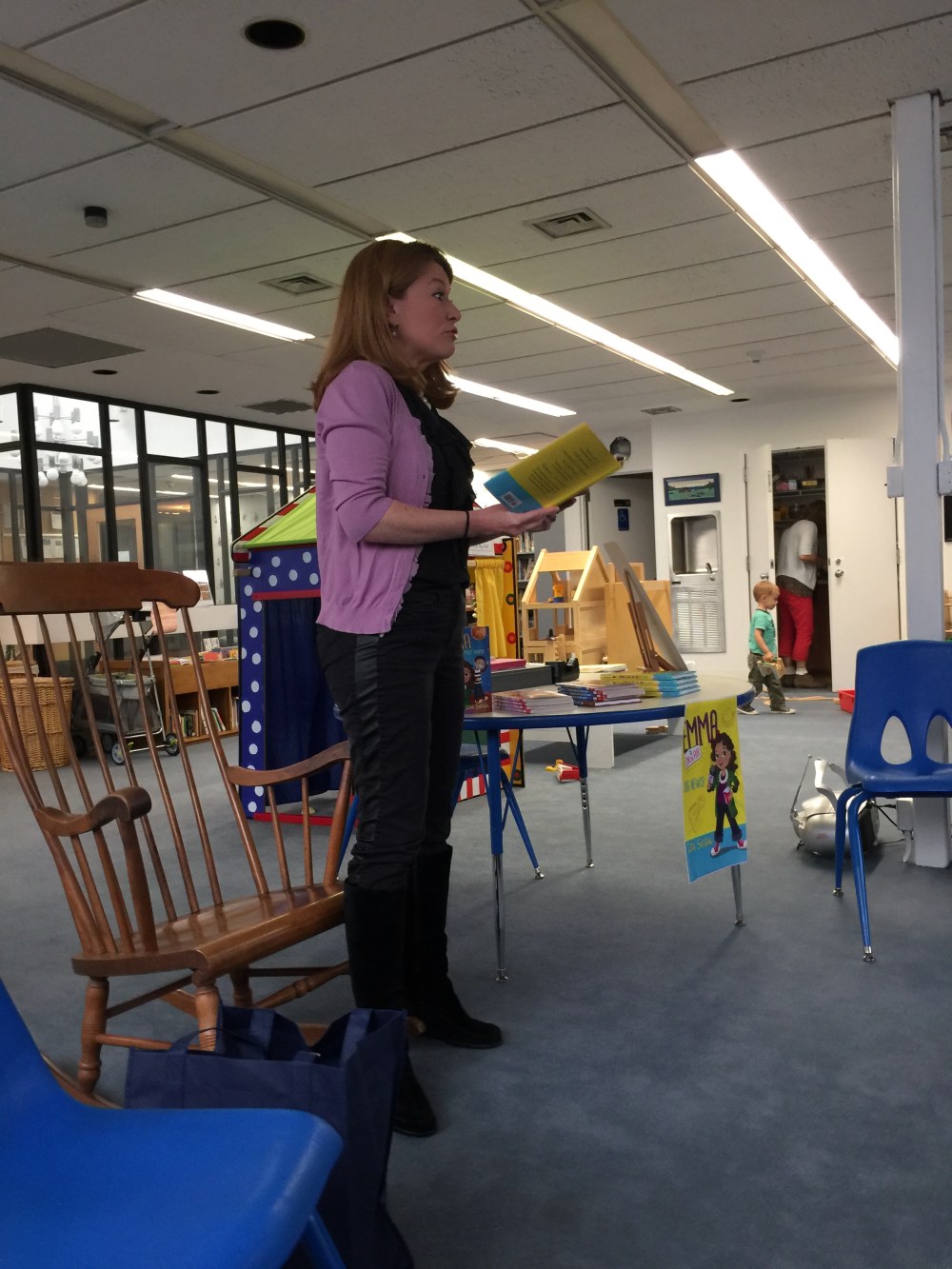
 Ida read a few chapters from her first book from her series, Big News!, and after reading two chapters, Ida held a question-and-answer session where we and other children were able to ask about her writing process, her inspiration for the books, and how her career as a reporter helped in creating the story.
 Lastly, Ida held a book-signing, and we got signed copies of Ida’s book Big News! This event was both informational and inspiring, and we gleaned firsthand knowledge about news reporting and book publishing.
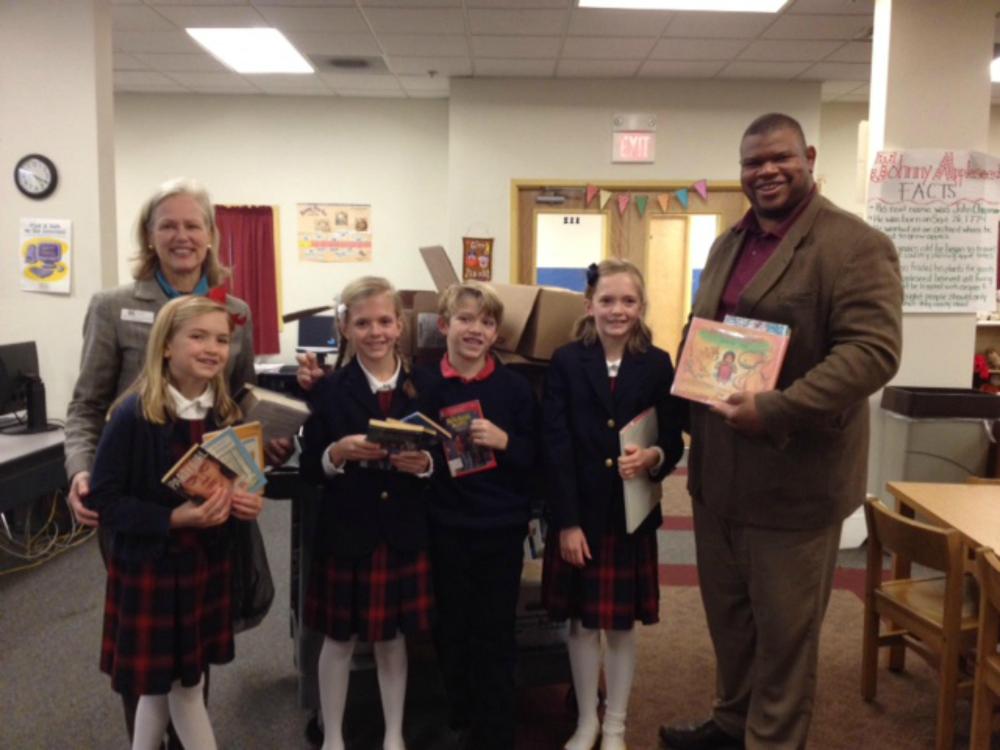
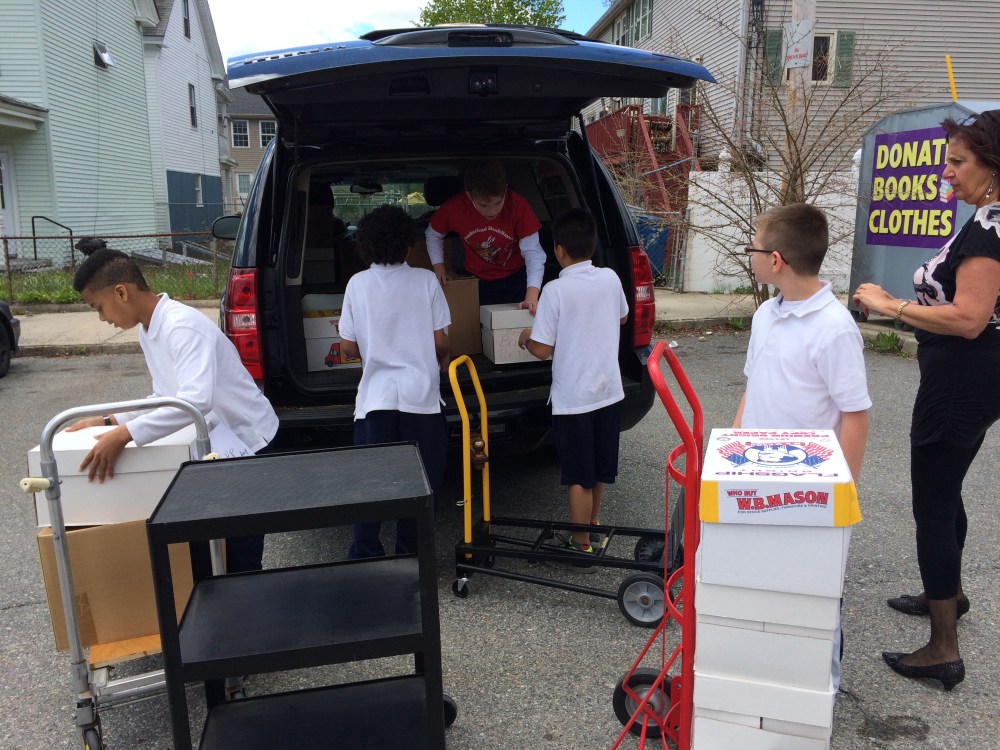 Today, 5/9/16, we visited Emily G. Wetherbee school in Massachusetts. We are thrilled with their generosity. Francine, writing coach and head of community service said, “We’re trying to teach our students, here, to give to others. I work in a community where the kids get 100% free lunch and they get a lot of free services; it is a community of poverty and yet, we try to teach them that it doesn’t matter; you can still give to others. This is one way for students to share with other people.” Francine’s words reflect our mission, the greatest gift is giving.
 A 4th grade class helped us load the car with all the boxes that were donated. They were all very nice. Joshua was very good at carrying and organizing the boxes, Denise was so nice for holding the door open for those carrying boxes, otherwise we would have been locked out. Cameron, Adrian, Brady, Ninio, and Jose were very strong and able to carry the boxes to and into the car. Cameron, Joshua, Denise, Adrian, and Brady were also very good at answering some of our questions.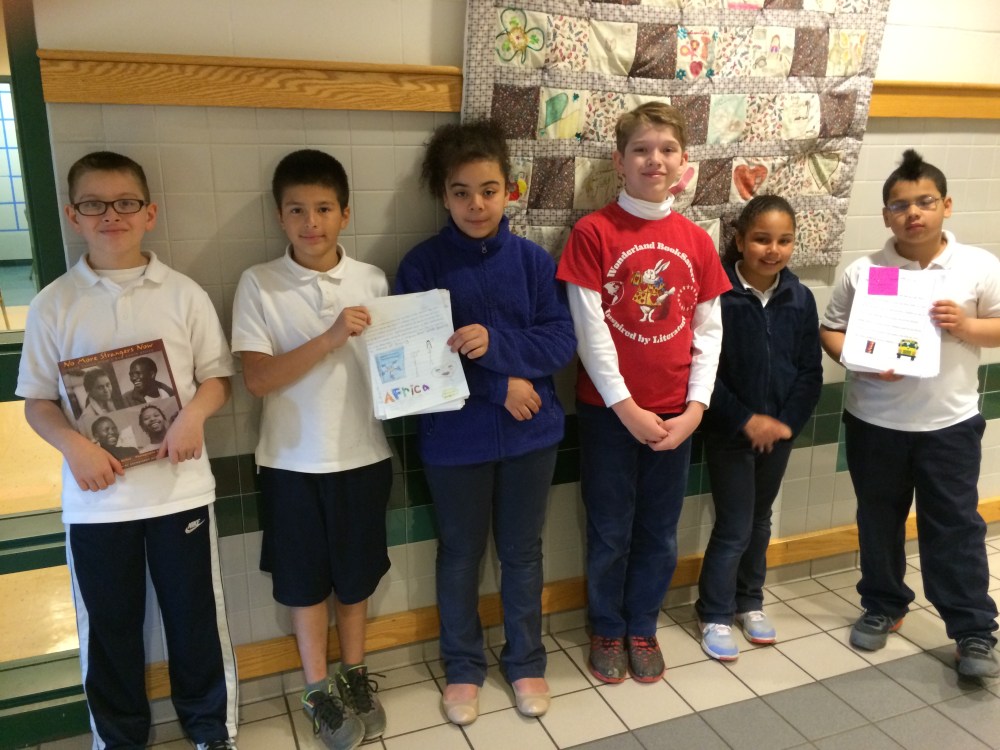

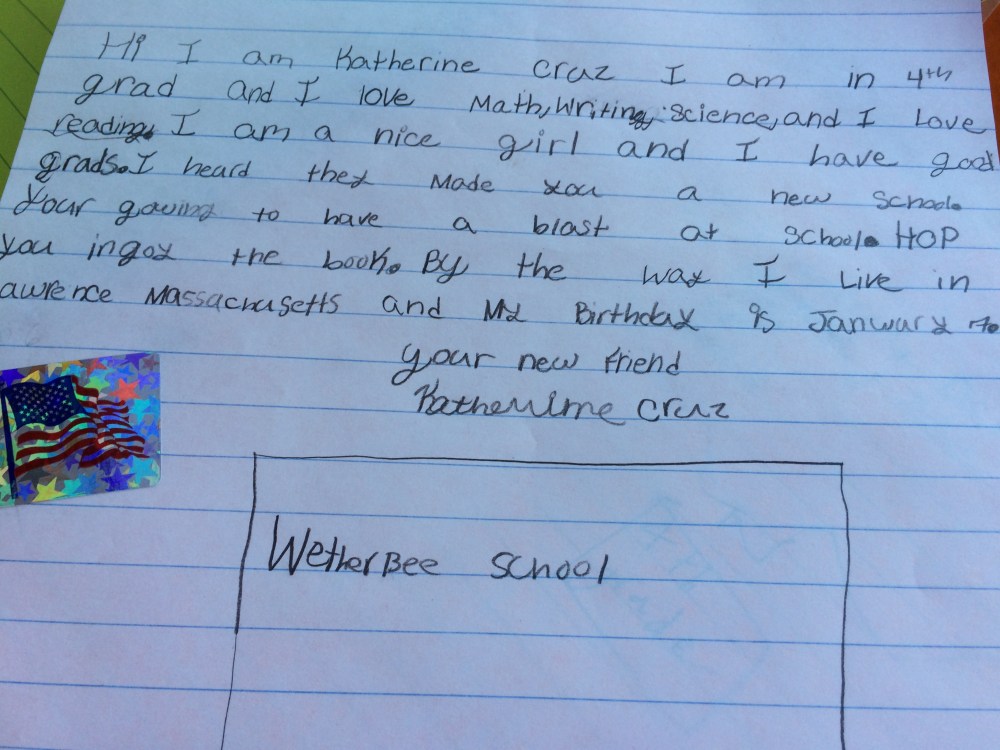

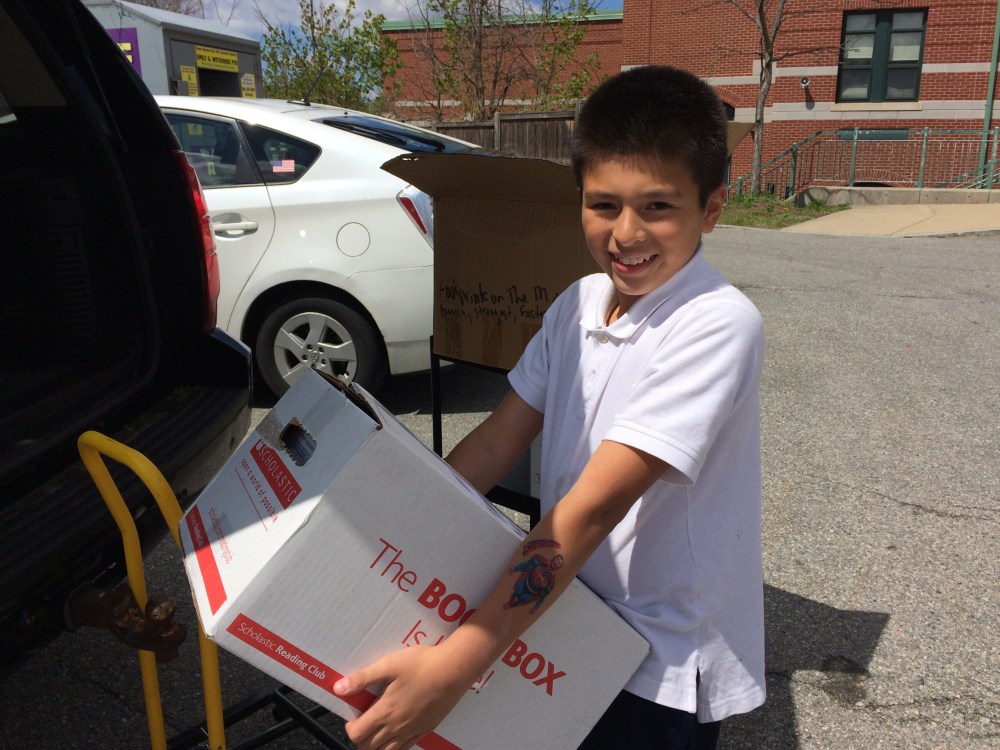 Before we left, Francine wanted to give us more things to share with the children in Zimbabwe. She found a huge box of sticky foam letters and pictures and a huge stack of sombreros! We had a great time talking to the children and collecting the books. We hope to go back again if they want to collect some more books for us!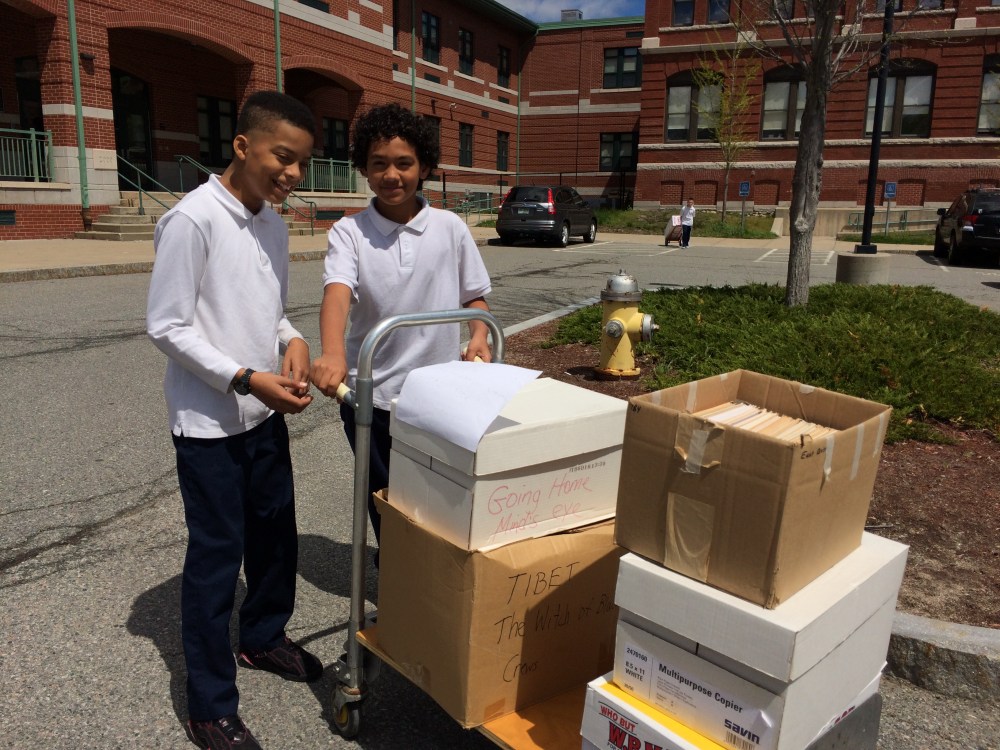
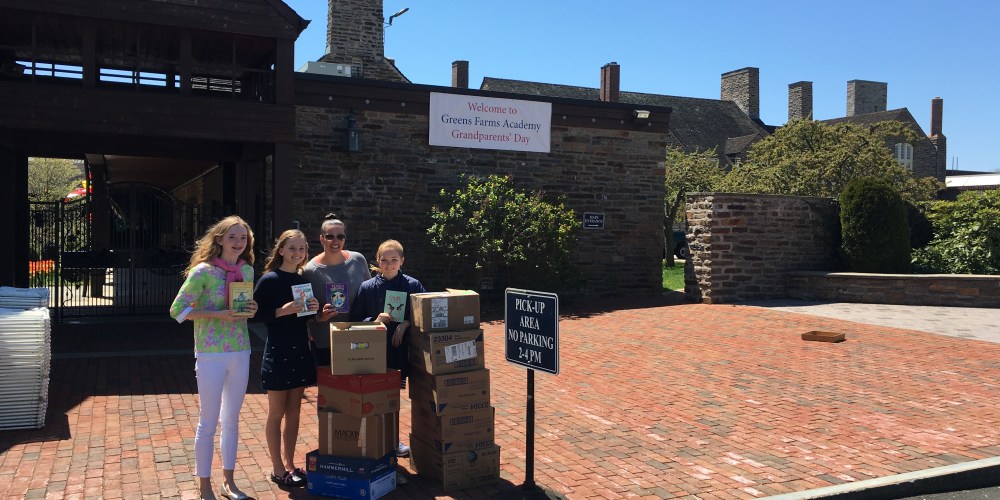


 Team Wonderland BookSavers is grateful for the books Greens Farms Academy has donated to us, and we will use these books to continue fulfilling our mission of promoting global literacy.





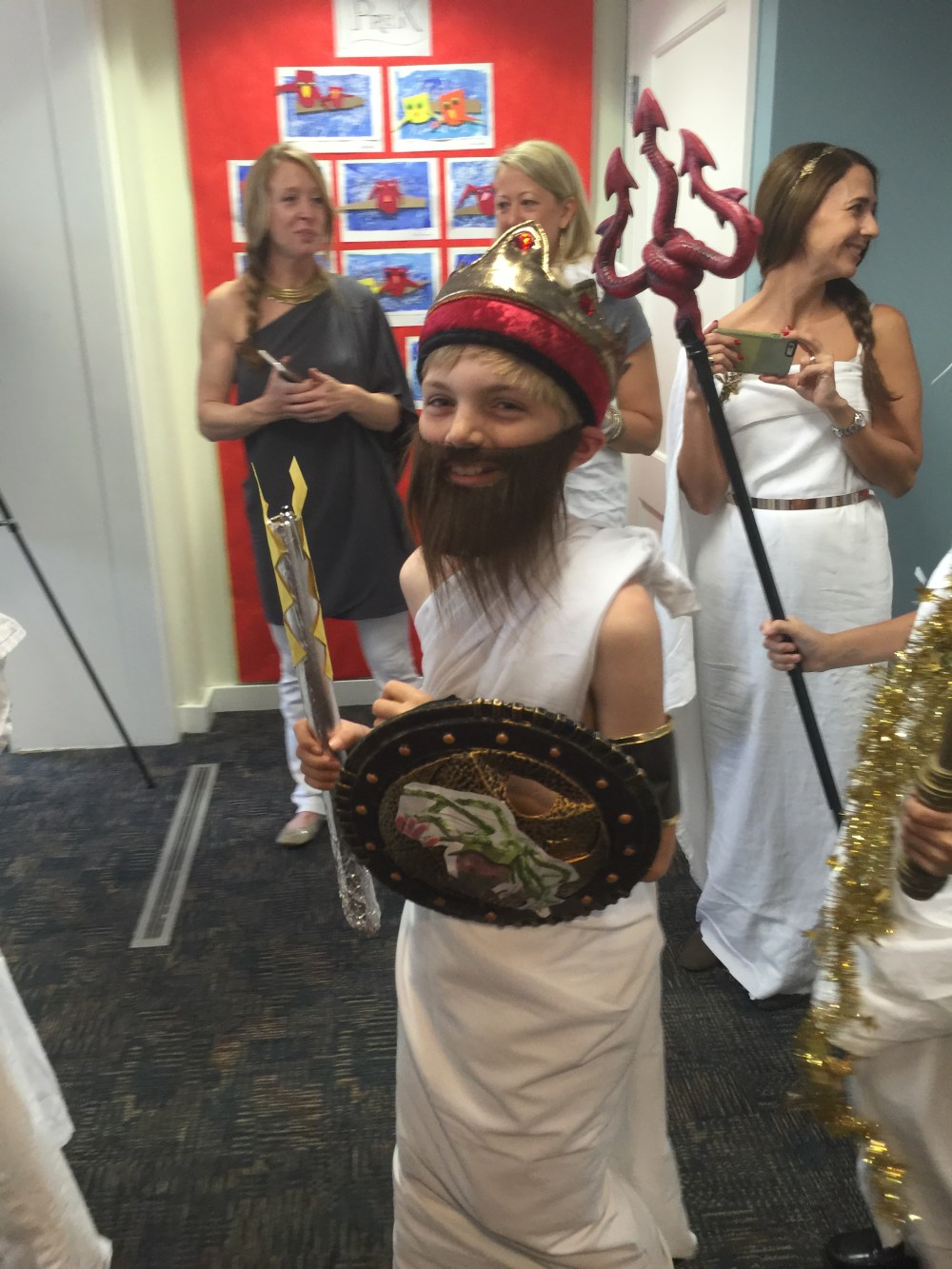 In the weeks leading up to the event, I eagerly planned and constructed my costume. I used a bed sheet for my toga. For my lighting bolt, I used a paper towel roll covered in aluminum foil. Then, I put yellow zigzags on the bolt. Next, I put electric pens inside the lightning bolt so I could shock all of my friends.
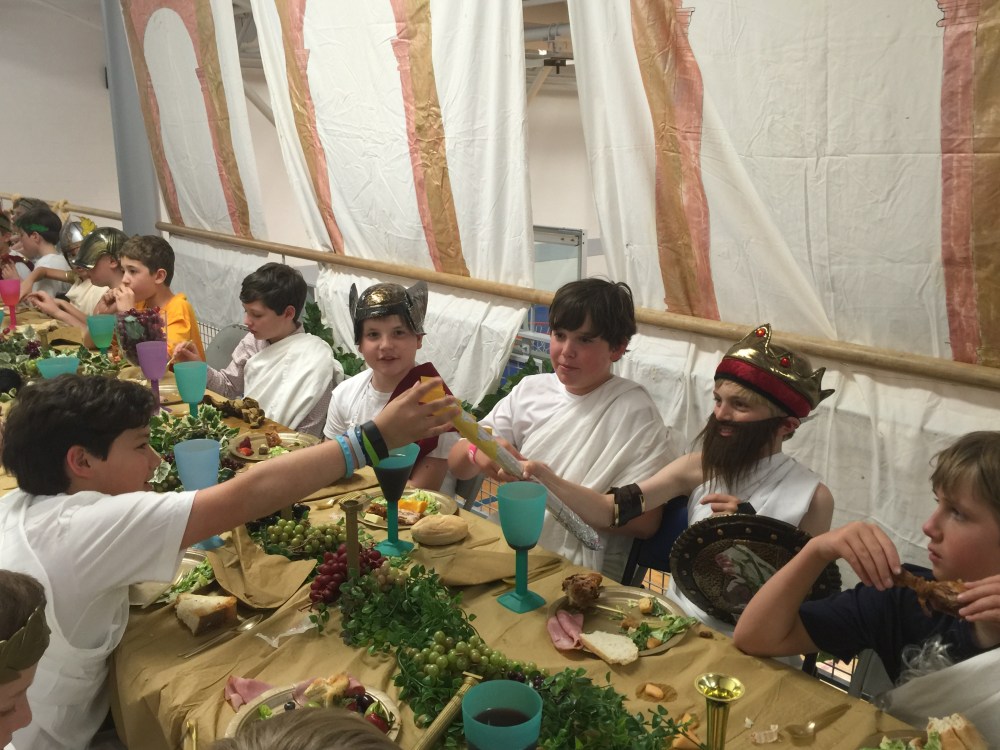 On my shield was a picture of me dressed as Medusa. Zeus had a shield with Medusa on the front because to use as protection. Medusa was a young mortal girl and Poseidon took her to the temple of Athena and they fell in love at the foot of Athens’s statue. Athena thought up a horrible curse and turned Medusa in to a monster who could turn people to stone. After getting dressed in our classroom, we proceeded to the balcony of our lunchroom.
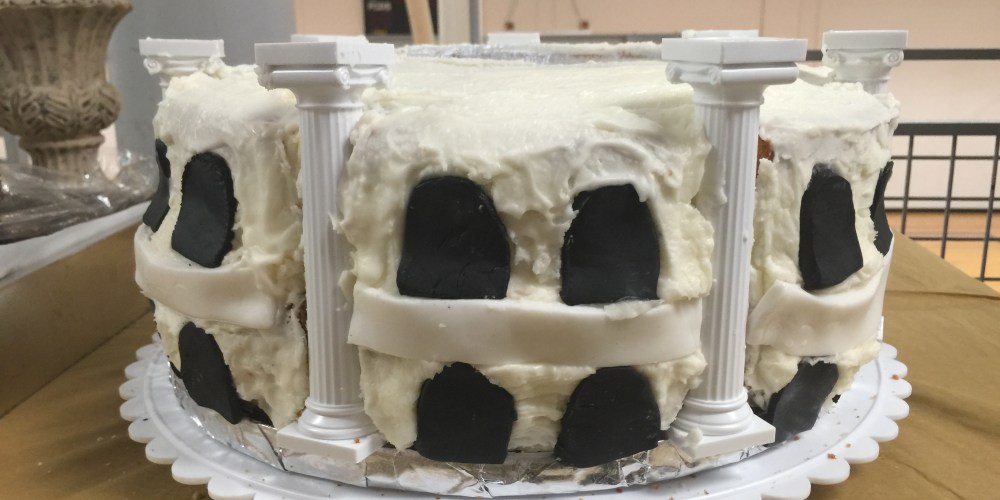
 Our parents had decorated it to resemble Roman palace. We were served chicken legs, ham, Caesar salad, bread, and various desserts including a Roman Coliseum cake.
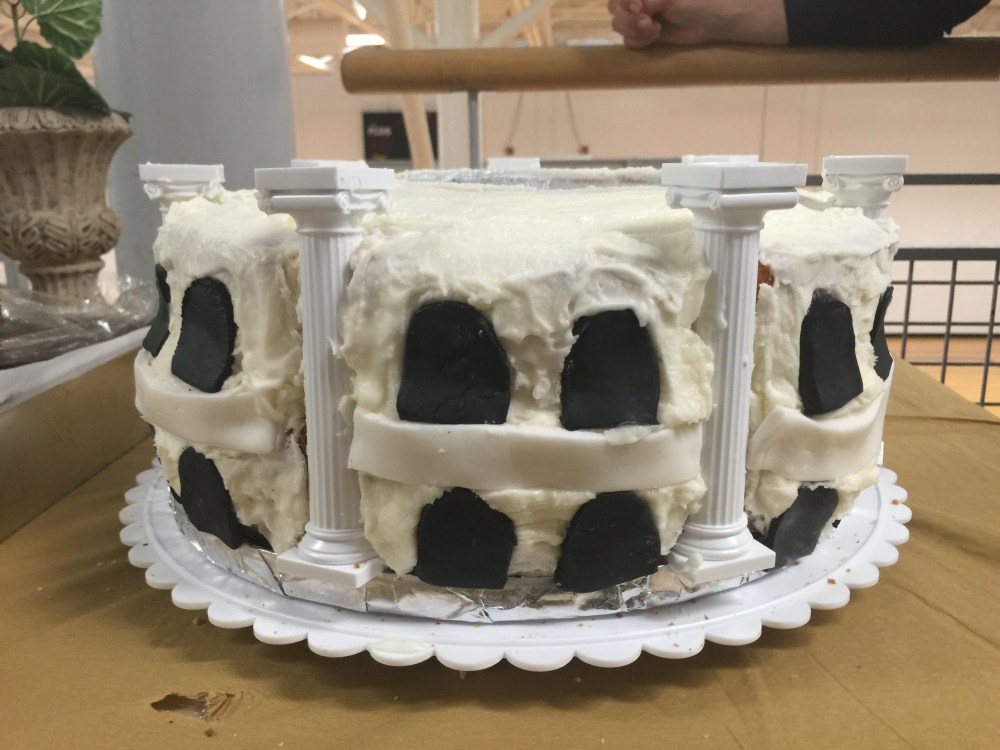 After dessert, we paraded in the lunchroom and threw out gold coins to the younger children. The Roman feast was my favorite highlight of the school year. It was culmination of all of the studying and readings we did such as The Iliad, The Odyssey, Greek myths, and studying Greek and Roman wars. In addition, I have read several of the Percy Jackson books including Greek Gods and Greek Heroes. Even though these myths were written almost 3,000 years ago they still have relevance today.
 They are fun to read because the Gods have many exciting powers such as flying, immortality, the ability to morph into different shapes and sizes, and the magical weapons they can use. Also, the myths exaggerate mortal battles, which entices the reader to want more. The themes of morality are still applicable today which is why I highly recommend that you to read these wonderful ancient writings.
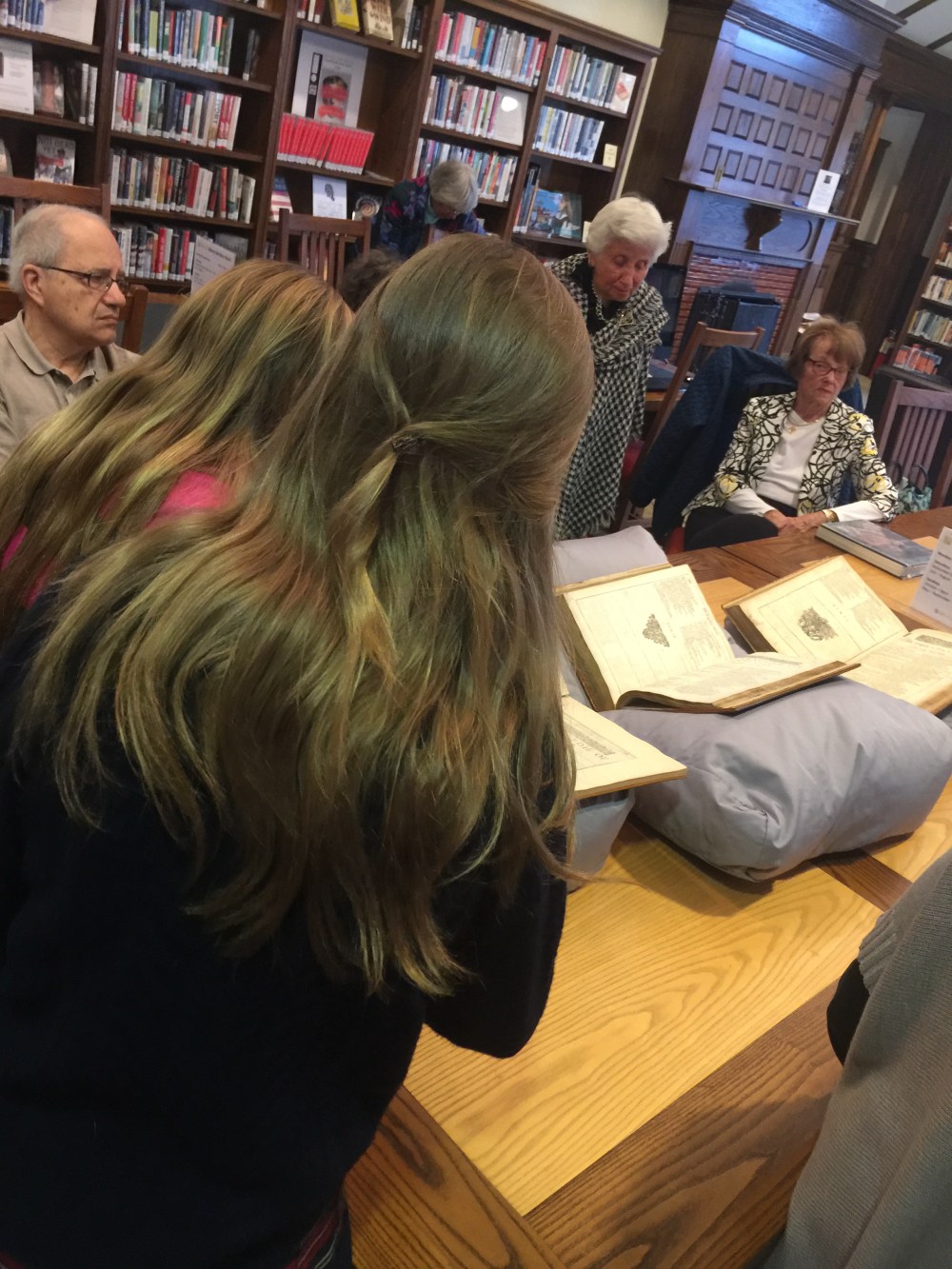 After talking about the origins of the texts, including the interesting fact that no text is exactly alike, due to thousands of corrections made over printing, the conversation took an intriguing twist; the guides began talking about the significance of costume as portrayed in every individual performance of any Shakespearian play. Many groups try to maintain historical accuracy by donning costumes reflective of the Elizabethan era. Contrarily, other groups often pinpoint a certain era from which parallels can be drawn between happenings of the period to happenings in the play, or choose to work in completely modern attire, figuring that that is what Shakespeare would have strived for even in the Elizabethan era; modern clothing. As Dr. Whitcomb phrased it, “they thought they were being cool”! Some of the books relayed these messages for themselves; one book, published circa 1935, sported figures drawn in such Art Deco fashion that they were reminiscent of figures found on Greek and Roman pots. Overall, the analysis of costuming practices throughout Shakespearian literature brought engaging depth to the tour.
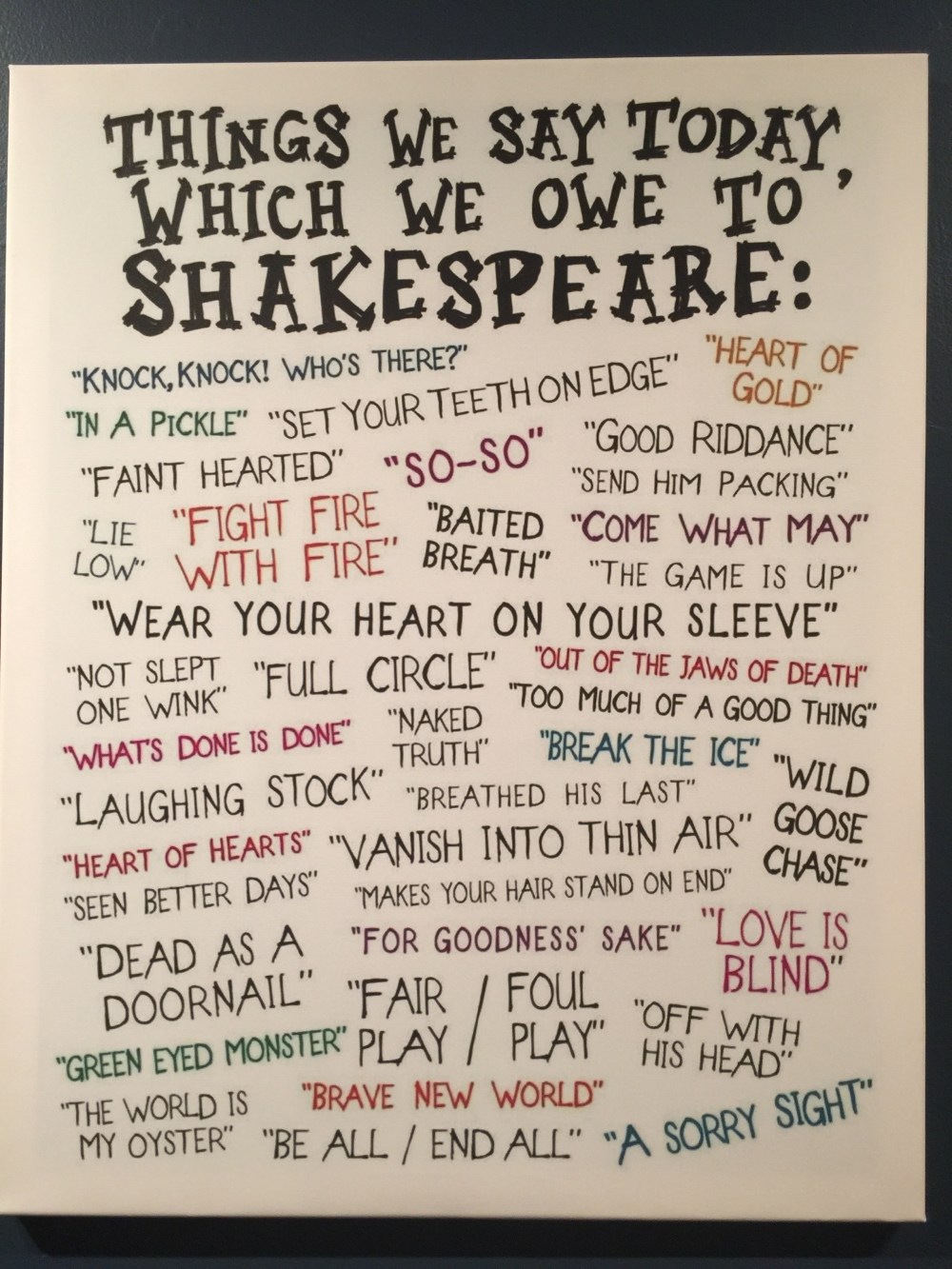 A few hours later, we returned for Pequot Library’s Shakespeare Family Festival. Among the activities were guest speakers, fencing demonstrations, recitations, and crafts. First, we listened as Elise Broach, author of Shakespeare’s Secret, delved into the history behind her novel, including the perplexing arguments on whether William Shakespeare actually wrote the plays that he is credited with writing, or whether they were the work of someone else. Afterwards, we headed for the auditorium, alive with drama clubs reciting sonnets and acting out scenes, and the sword fighting demonstrations.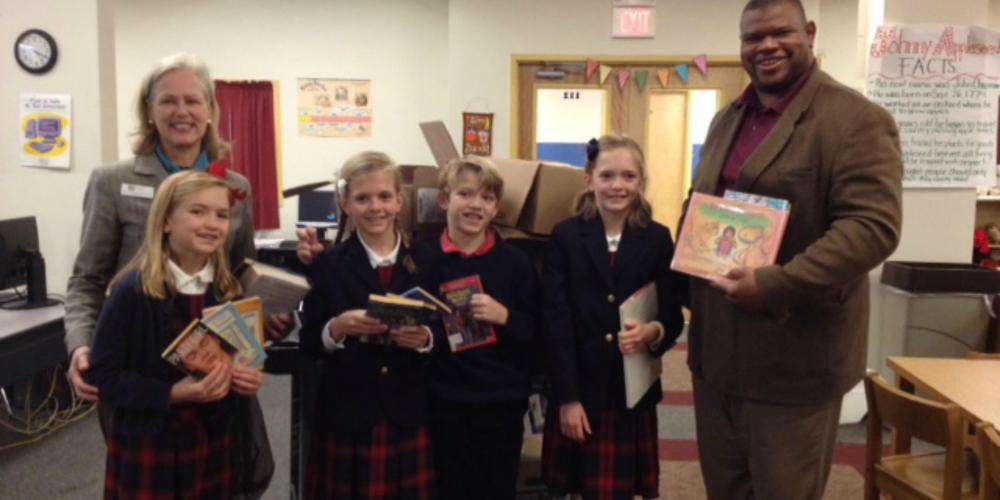


 Wonderland BookSavers