children’s book clubs

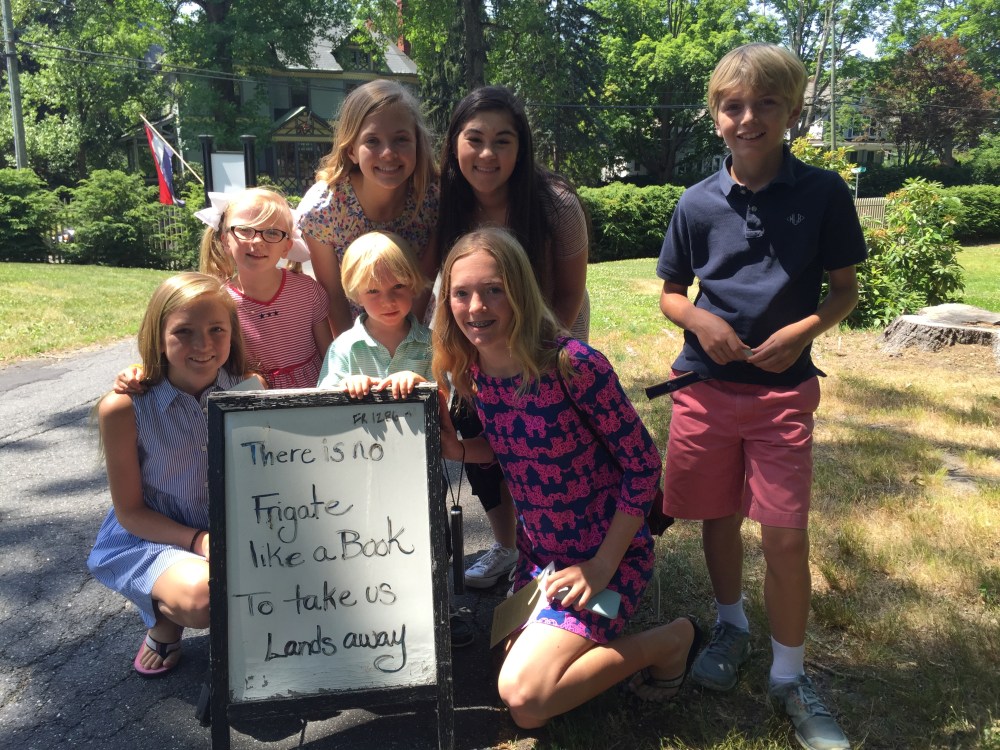
There is no frigate like a book…to take us to the Emily Dickinson Museum

By Madeline

Recently, the team traveled to Amherst, Massachusetts. While we were there, we visited the Emily Dickinson Museum, which is comprised of the Dickinson Homestead and the Evergreens.

emilydickinsonhouse.jpeg

The Dickinson Homestead

Emily Dickinson was born in Amherst, Massachusetts on December 10, 1830, and died in Amherst on May 15, 1886. Dickinson penned nearly 1,800 poems during her life, including one of our team’s favorite poems, There is no Frigate like a Book.

There is no Frigate like a Book
To take us Lands away
Nor any Coursers like a Page
Of prancing Poetry –
This Traverse may the poorest take
Without oppress of Toll –
How frugal is the Chariot
That bears the Human Soul –
We first encountered this poem when we did a poetry section for our book club shortly after our charity’s inception in the fall of 2012. This poem has been an impetus for many of our projects and our ideas, and for us to learn more about this poem and Emily Dickinson was incredibly special.
thereisnofrigatelikeabook.JPG
At the museum, we toured the grounds and gardens and listened to an audio guide which informed us about Emily Dickinson’s personal life. The guide also proffered a plethora of Dickinson’s poems and the contexts in which each poem was written.
It was fascinating to see Emily Dickinson’s home and inspirations for her poems, and we will look forward to exploring more about the iconic poet and her literary creations.

Team Wonderland BookSavers Leads Medieval Art Workshop at Pequot Library

By Madeline

Last week, WBS team members Madeline, Claire, Emma and Brooks Morgan led a medieval art workshop at Pequot Library. We examined medieval literature, reflecting especially on the process of creating manuscripts. We also instructed on how to create illuminated manuscripts and write in different cursive styles. Additionally, we read medieval stories and taught Roman Numerals and the medieval calendar system–which operates by recognizing certain days and showing the distance of regular days from the special days to account for time.

During the Middle Ages, manuscripts were one of the few viable ways to preserve information. These books were created by first making parchment. The process of making parchment consisted of first obtaining goat or cow skin. Next, the skin would be soaked in water and lye and cleaned to remove any fibers. The skin would then be stretched to dry, and lastly, the skin would be cut into pieces of parchment. The parchment would then be sewn into gatherings, and the gatherings would be bound into a book. Lastly, clasps would be added to keep the book shut and protect the manuscript. Then, scribes would embark on the lengthy process of copying information into the book, and illuminating certain letters. Lastly, any images would be drawn or painted and the book would be complete.

On the first day, we along with Beth Beaudin, the Special Collections Consultant of Pequot Library, surveyed the process of manuscript making. We also began to teach basic cursive to the children.

Every day we had a snack and recess break, where we played “discus” (frisbee) and “Bubonic Plague” (the game infection, where one person is “it”, and they along with people who have been tagged tag others until only one person is left). We also played “capture the crown”, which was our medieval version of capture the flag.

During the second day we introduced calligraphic cursive styles and how to write in medieval handwriting. The children transcribed poems and also practiced writing their names. We taught the children about the medieval calendar and how to use Roman Numerals. Towards the end of the day, everyone began creating the skeletons for their illuminated letters. We also visited The Birds of America, a book by John James Audubon with a compilation of life-size, chromolithographic American birds.

For the third day, we focused on nobility, coats of arms, and finishing the illuminated letters. Everyone was able to design and create a coat of arms to wear which represented their interests or personality. The zenith of the week was being able to examine a book made in 1190–the oldest book in Pequot Library’s collection. The manuscript was a letter from Pope Gregory on proper behavior and conduct. We also had a guest speaker come and teach about Shakespeare, and we acted out scenes from A Midsummer Night’s Dream.

1190book

Examining the manuscript from 1190


shakespearefairies.JPG

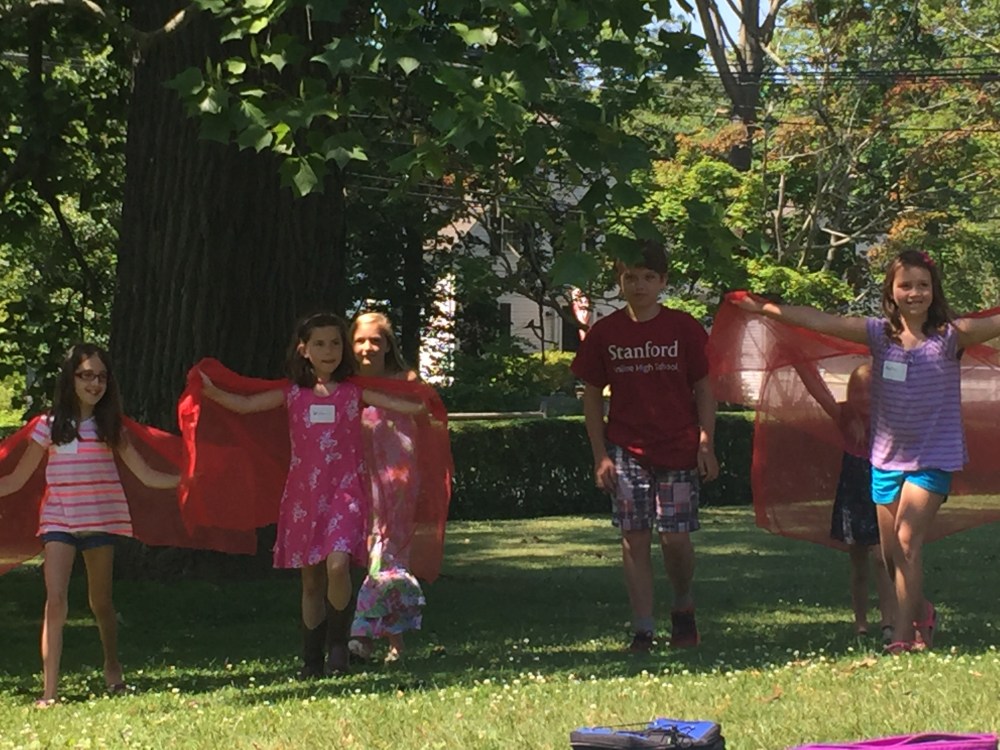
The fairies from A Midsummer Night’s Dream

On the final day of camp, everyone made crowns and armor, finished the cursive books which we began on Monday, and reflected on everything learned during the week. The children collected their amassed number of projects, crowns, letters, books and sheets, and we headed out to play our final game of “capture the crown”.

crownscoatofarms

Campers wearing crowns and coats of arms

It was incredible to immerse ourselves and other children in medieval studies, and we will look forward to continuing the medieval theme with the reading program this summer at Pequot Library.


Wonderland BookSavers Donates 15,000 Books to Zimbabwe and Ghana

By Madeline

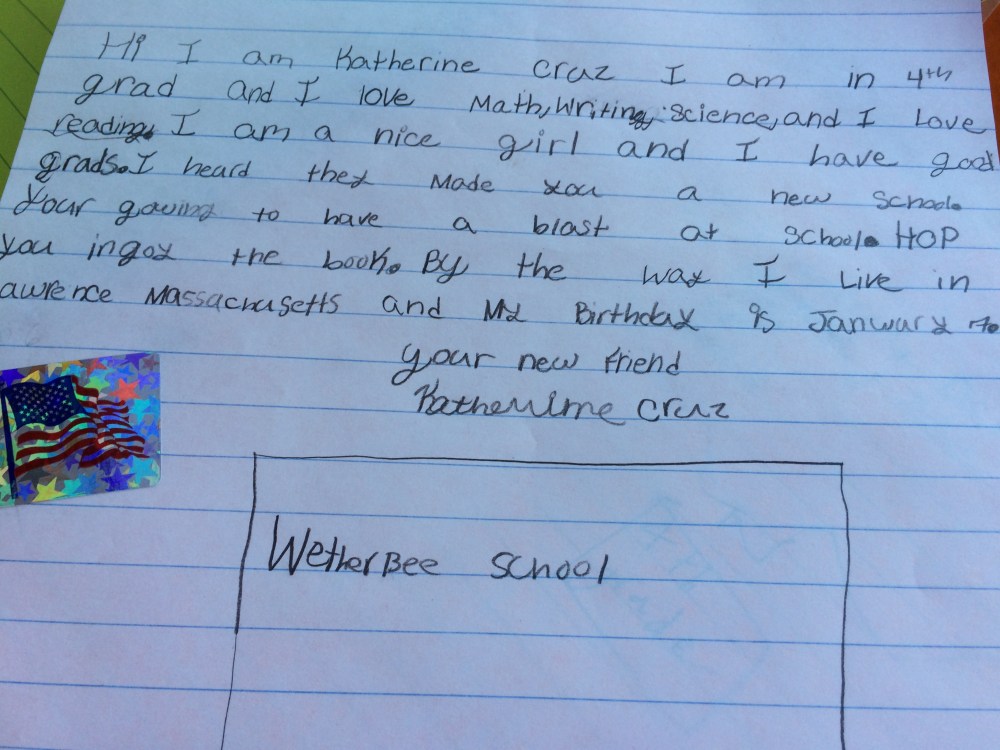
On Thursday June 9, Team Wonderland BookSavers donated 15,000 books which are currently headed to Zimbabwe and Ghana. Along with the books, we also donated over 100 letters written by the children at the Wetherbee School in Massachusetts. These letters will be going to children in Zimbabwe.

We methodically sorted the books based on whether they were primary or secondary reading level. Then, we packed the sorted books into labeled boxes.

This slideshow requires JavaScript.

Our community partner Mark Grashow, the president and co-founder of US Africa Children’s Fellowship, came with a tractor-trailer for us to fill with our books which will be delivered to Africa. When Mark arrived, we began loading our books into his truck.

gettingbooksintotruckposingwithmarkandbooks

We carefully arranged the boxes to maximize the space and to ensure that the boxes were secure so the books would be safe.

bookspackedintruck.JPG

After we finished laboriously transporting the heavy boxes of books from our palettes in the garage into Mark’s truck, Mark pulled out some pictures from his trips to Africa. He showed us children holding our books, and also recounted some stories of the children’s excitement when they receive our books.

I had the chance to interview Mark:

We are excited for our books to arrive in Zimbabwe and Ghana, and we can’t wait to see pictures and hear more stories about the children receiving our books!


There is no frigate like a book…to take us to Sturbridge Village

Written by Emma and Brooks Morgan

A few weeks ago, Brooks Morgan and I traveled to Massachusetts to visit Sturbridge Village.

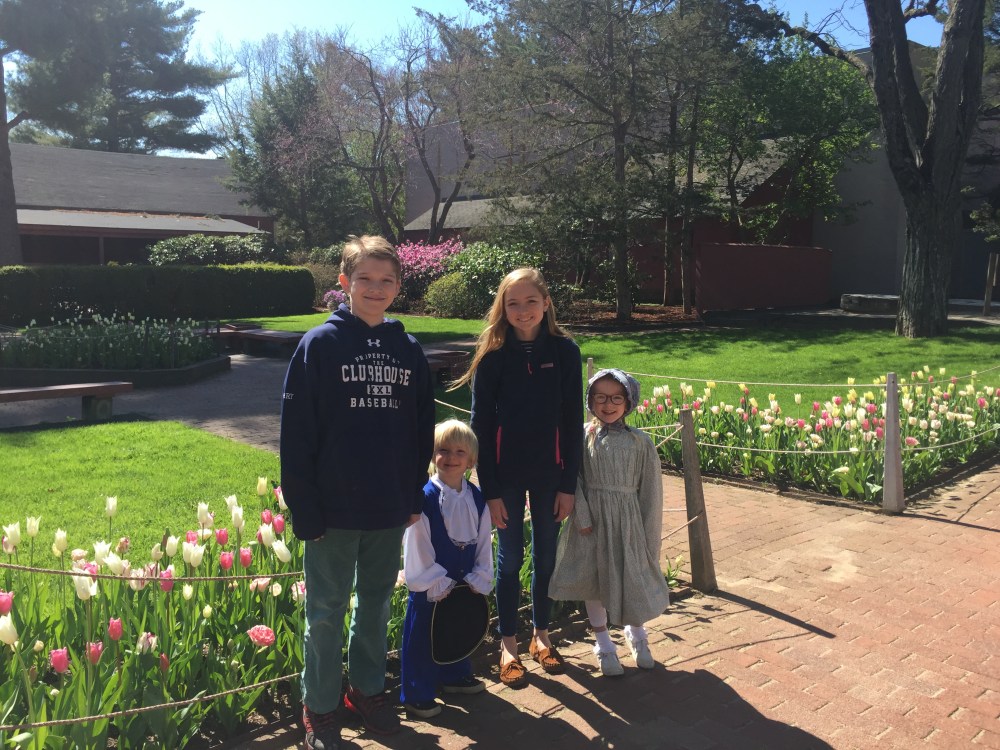
2016sturbridge

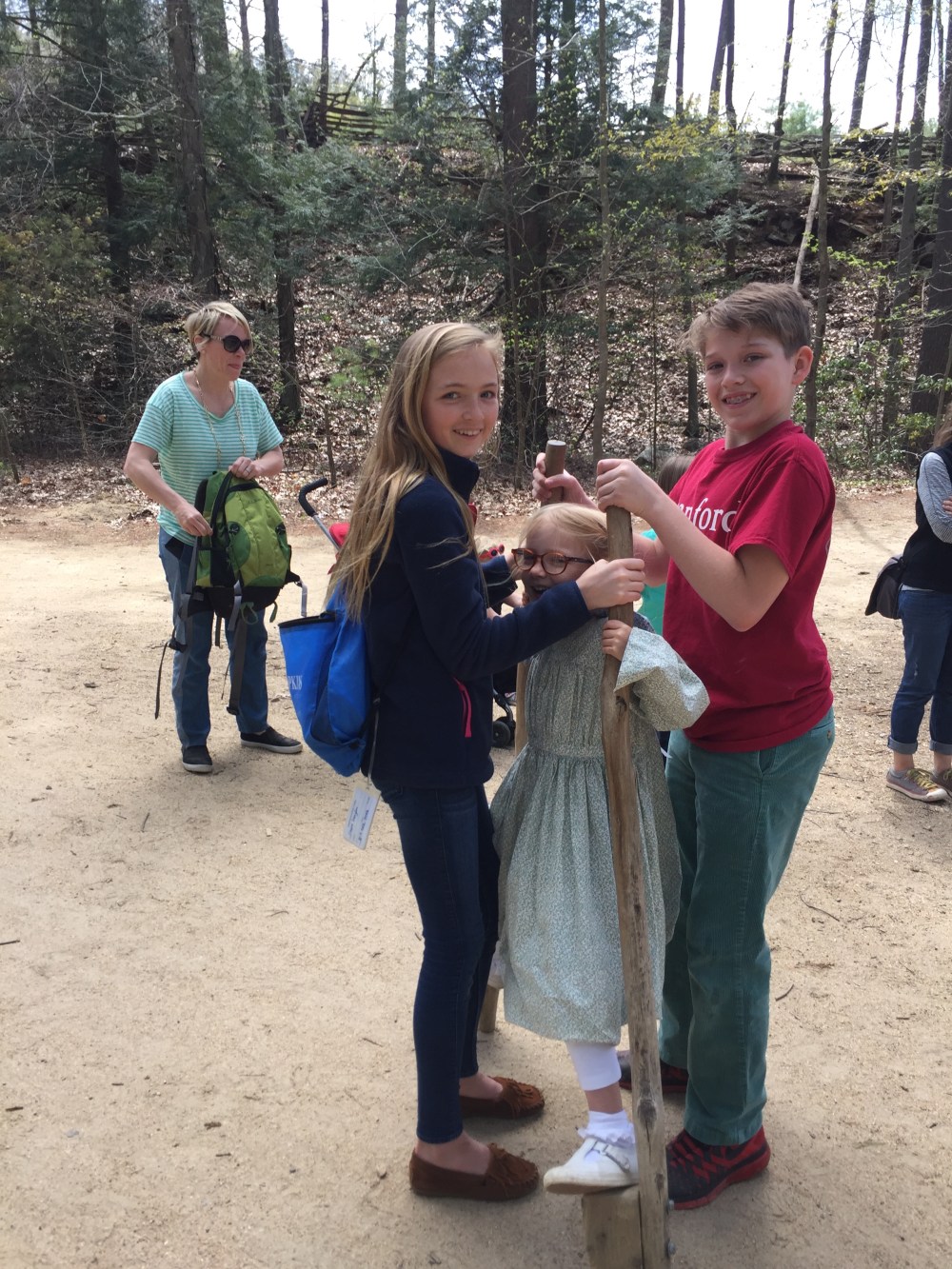
Left to right: Brooks Morgan, Junior Wonderland BookSaver Wills, Emma, and Junior Wonderland BookSaver Ella

Sturbridge Village is a reenactment town that contains houses, stores, and villagers that do the jobs that would have been done in the 1830s. There are potters, shoe makers, farmers, tin makers, women gardening, and just people walking through the streets. All of these people are in character and doing their jobs and answering questions so that visitors can see what it would have been like in that time period.

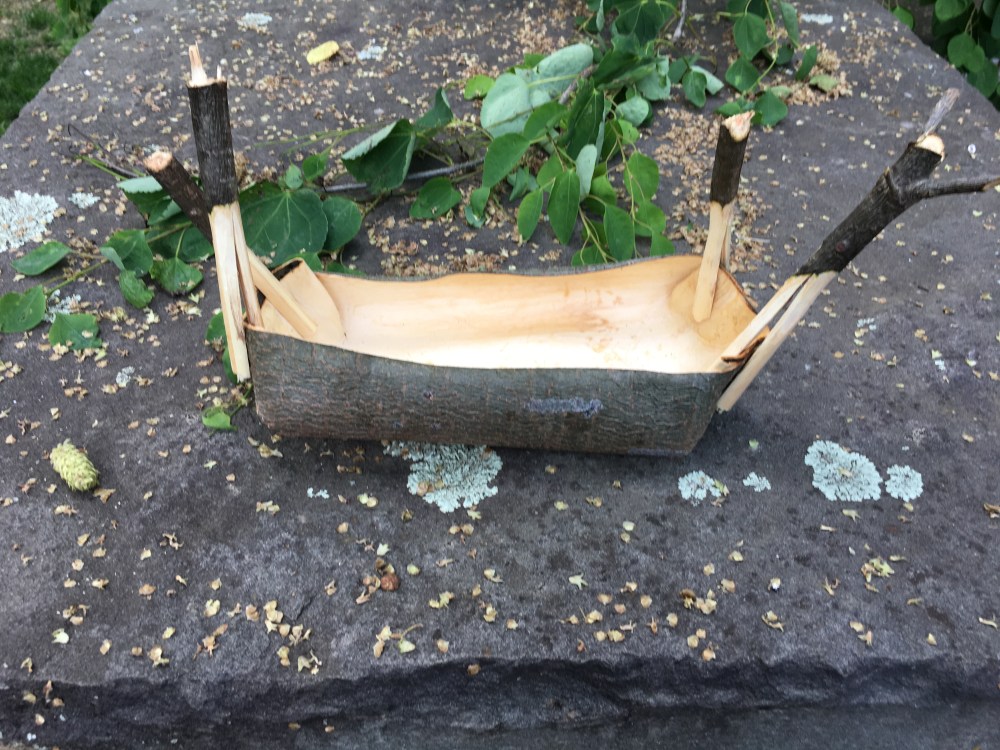
There are also classes for students and we took Wood lore. We walked around the town learning about trees and special properties of these trees. One of our favorites was a tree that had a sap which closes and heals wounds, and we both put the sap on our minor scrapes on our fingers, and to our surprise, it actually did help heal. Our instructor used his knife to cut bark off a section of a tree, and showed us how to make a container to boil water in so that in the rare occasion that we were stuck in the woods alone, we would be able to collect water and prepare food. He used clips made out of sticks that he cut a slot in to hold the whole container together. We were both fascinated by this technique since he literally took a cylinder piece of bark and cut it and folded it into this container.

woodbin

After our class we walked around the town doing activities. At the school house, we practiced walking on stilts and successfully managed doing about 10 steps.

stilts.JPG

We had a picnic lunch in the center of the town at the big green grass area, and afterwards went from house to house and shop to shop and going in to see rooms, furniture, and sometimes people inside who would tell us stories and answer questions. We learned a lot on this trip from the very informative people, and definitely enjoyed our trip to Sturbridge Village and look forward to going back.

Written by Emma and Brooks Morgan

Wonderland BookSavers Attend Meet the Author with Ida Siegal

By Madeline

Last Friday, Team Wonderland BookSavers attended a “Meet the Author” event with Ida Siegal, an author of a series of four books, at our local library. Many of us have seen Ida broadcasting news stories as an NBC New York reporter, but we were unaware that Ida also wrote children’s books.

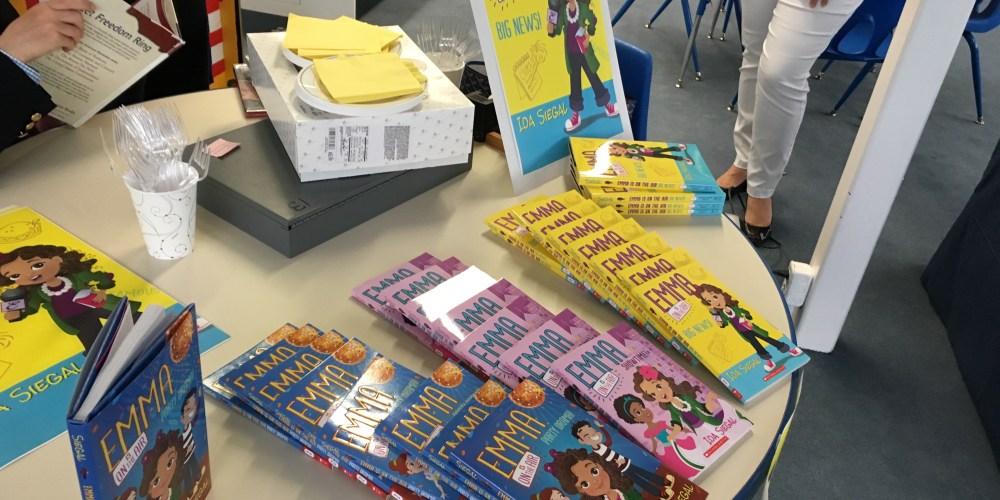
idabooks.JPG

An array of Ida’s series of books, Emma Is on the Air

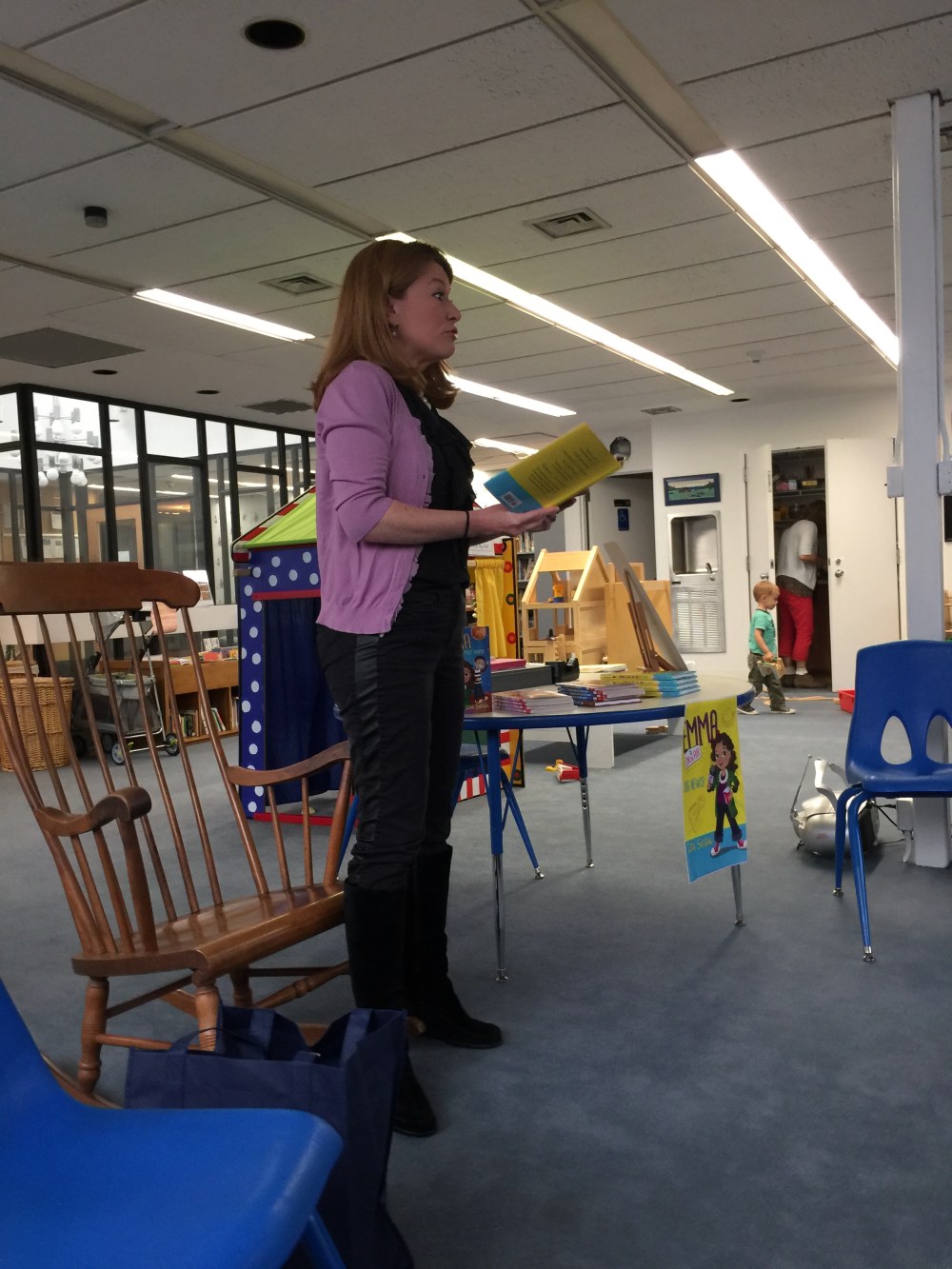
Ida recently published Emma Is on the Air, a series of four books in which the protagonist, Emma, pieces together puzzles and mysteries at her school and reports on the subsequent happenings. Ida explained that she wanted to create a series of books to illustrate what reporters do. As she spoke to us, she explained that children are always interested in news reporters–she recounted how whenever children see the iconic NBC peacock logo and all the news equipment, they immediately sprint over to ask a deluge of questions. Ida said she wanted to create something to show children what being a news reporter is like, and with the incite and perspective of being an actual news reporter, Ida created this series of books to help readers see how reporters operate.listeningtoida.JPGIda read a few chapters from her first book from her series, Big News!, and after reading two chapters, Ida held a question-and-answer session where we and other children were able to ask about her writing process, her inspiration for the books, and how her career as a reporter helped in creating the story.idareading.JPGLastly, Ida held a book-signing, and we got signed copies of Ida’s book Big News! This event was both informational and inspiring, and we gleaned firsthand knowledge about news reporting and book publishing.

Title 1 School Donates Books to Zimbabwe

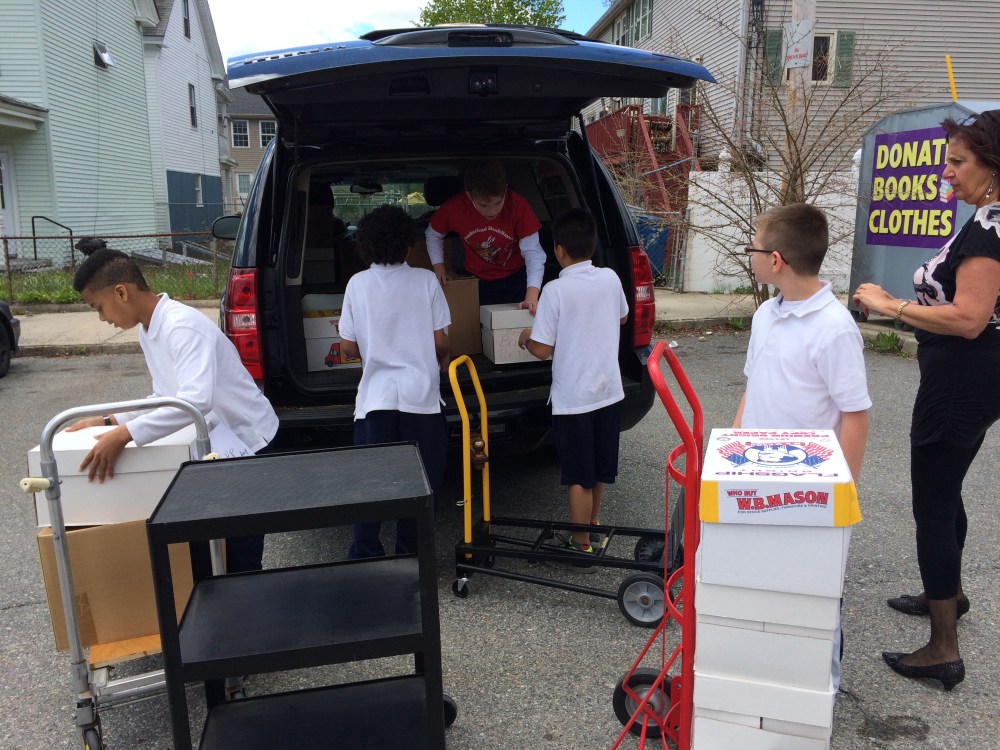
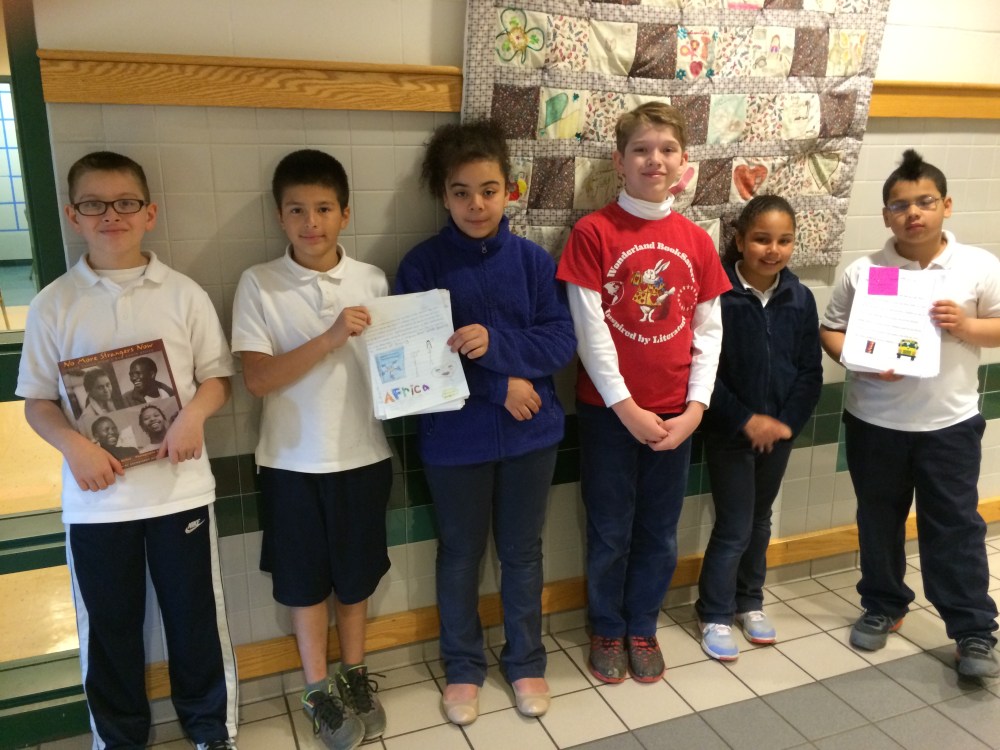
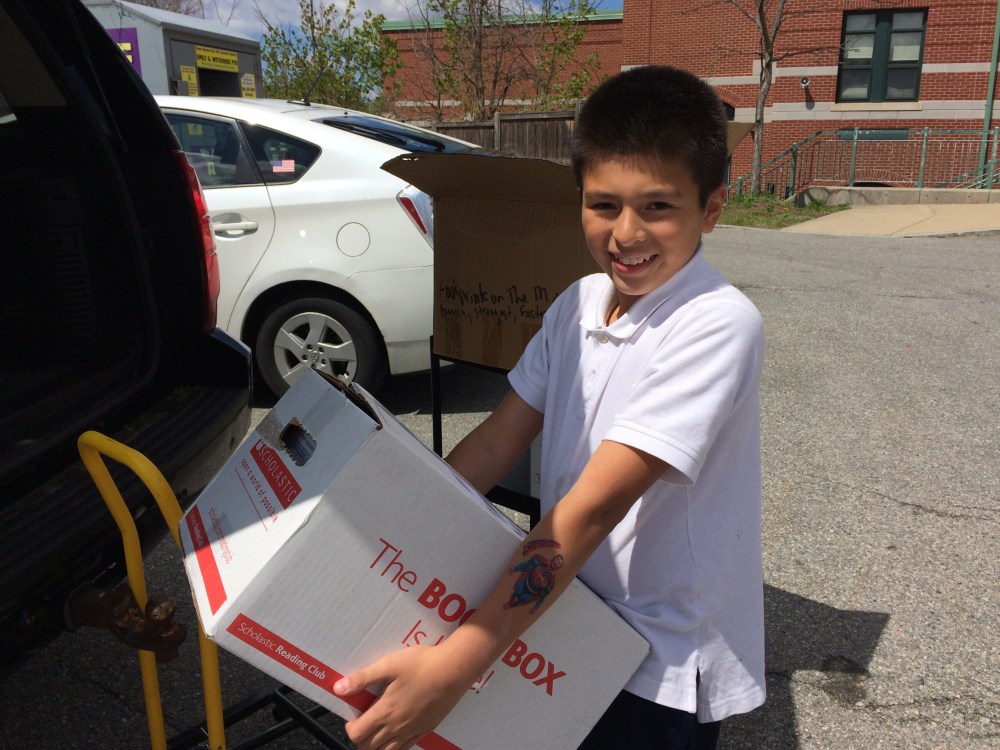
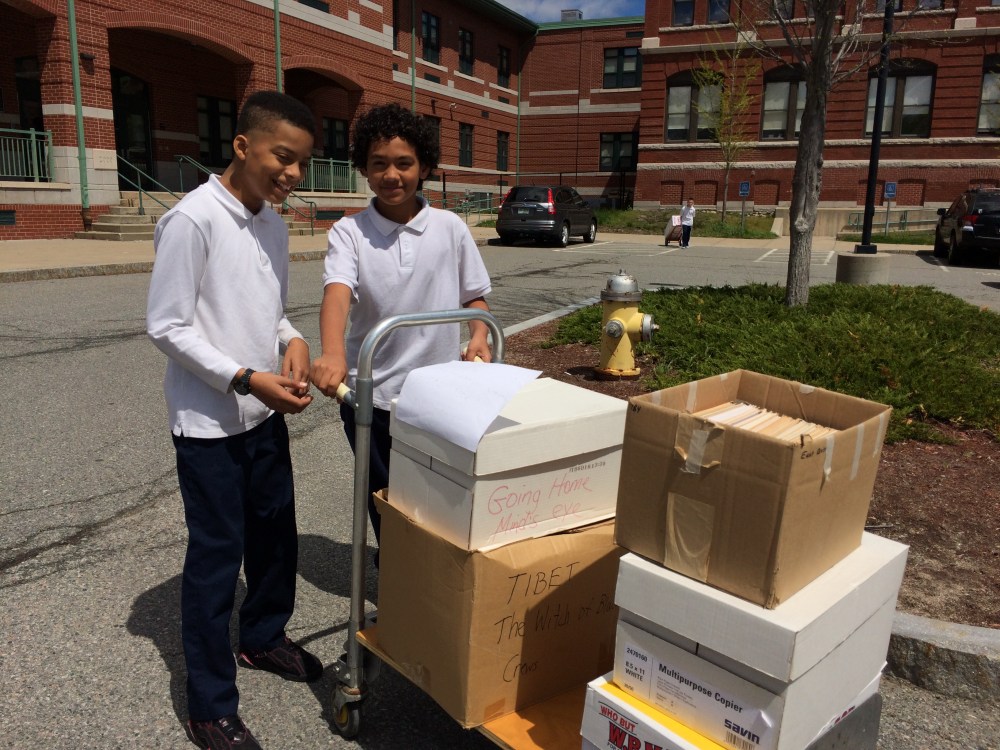
written by Brooks Morganpic 1.JPGToday, 5/9/16, we visited Emily G. Wetherbee school in Massachusetts. We are thrilled with their generosity. Francine, writing coach and head of community service said, “We’re trying to teach our students, here, to give to others. I work in a community where the kids get 100% free lunch and they get a lot of free services; it is a community of poverty and yet, we try to teach them that it doesn’t matter; you can still give to others. This is one way for students to share with other people.” Francine’s words reflect our mission, the greatest gift is giving.pic 2.JPGA 4th grade class helped us load the car with all the boxes that were donated. They were all very nice. Joshua was very good at carrying and organizing the boxes, Denise was so nice for holding the door open for those carrying boxes, otherwise we would have been locked out. Cameron, Adrian, Brady, Ninio, and Jose were very strong and able to carry the boxes to and into the car. Cameron, Joshua, Denise, Adrian, and Brady were also very good at answering some of our questions.pic 3

pic 4

Sombreros and sticky letters for the kids in Zimbabwe

pic 5

A letter one of the fourth graders wrote to the kids in Zimbabwe

pic 6

Some of the books donated to us by the Wetherbee School

After loading the car, I went inside and continued interviewing Francine. Francine spoke about the importance of giving to others, Alison, our team manager, said, “I think that’s so important, for kids who don’t have much to be able to give to other children. That’s one of the reasons that we started this letter writing campaign. We know it’s a way that kids can share with others, you can give a letter or a picture as a way to communicate. Francine added, “And I’ve read some of the letters and one or two of them almost made me cry because they’re saying something like ‘your new friend from America.’ At 4th grade, the kids are just so open, you know, they don’t know these people at all but they saw the video and saw what the situation was and thought oh, wow, we get to give them books!”pic 7Before we left, Francine wanted to give us more things to share with the children in Zimbabwe. She found a huge box of sticky foam letters and pictures and a huge stack of sombreros! We had a great time talking to the children and collecting the books. We hope to go back again if they want to collect some more books for us!pic 8

Written by Brooks Morgan

Team Wonderland BookSavers Heads to Destination Imagination States

By Madeline

Months of hard work is about to come to fruition. Every year, Team WBS competes in the competition Destination Imagination. The Destination Global Finals are held every year in Knoxville, Tennessee, and teams ranging from elementary age students to college students participate in five different categories of challenges and four different age groups. Students 45 states and 17 countries will be participating at the Global Finals.

globals

At the globals competition in 2015

However, in order to qualify for Globals, we must win first place in our division at the Connecticut State competition. The challenge this year is dubbed “The Meme Event” and in this challenge our team was required to make a meme to promote our project, create a timeline with specific dates and locations regarding our project, and hold a community event to integrate our community in our service work. Destination Imagination has helped our team with requirements in past projects. The first year Wonderland BookSavers competed in DI, we had to make a video about our project. The second year we had to incorporate an elevator pitch. In our third year, we were required to expand our team’s brand, and create a jingle. All these past requirements have proved to be useful in expanding our project.

bettercutting.JPGbrooksemma.JPG

We chose to use our Haitian-Creole book and Sneetch-Event project as our featured project in our DI challenge, and we have created a play incorporating our steps, successes, and failed aspects of this project.

The team has worked tirelessly on this project since September, and we are eager to compete at the states level of Destination Imagination tomorrow. Wish us luck!

Our First Meeting as a 501(c)(3)

By Madeline

After much paperwork and stress, Wonderland BookSavers (Wonderland BookSavers Incorporated, to be exact) is a 501(c)(3)!

firstfacebook.JPG

Beginning our first meeting as a 501(c)(3)

We held our first meeting as a 501(c)(3) on Thursday, March 10, and we discussed a range of topics. Before our meeting officially began, we all convened at the long dinner table and had pizza and lemonade. Once we ate and cleaned up our pizza, we pulled out a folder with our papers.

annualboardmeeting.JPG

Our Annual Board Meeting agenda

First, we read the bylaws, and next we discussed our official titles and positions. During the meeting, we reviewed the all of our committees, and which members served on each committee. Our blog followers will be happy to know that six new people have joined the blog committee, and blog posts will be published every week on Mondays.

We have eleven committees, and some of them include the Blog Writing Committee, School Supplies and Shoe Donations Committee, the Book Club Readings and Projects Committee, The First Book 40,000 Committee, and others. Now we will follow a tighter agenda, which will enable us to maximize our efforts and impact.

At the end of our meeting, we also chose the next book we are reading as a club: The Adventures of Pinocchio. We are excited to delve into another book, and into another chapter in our charity.

Converting our charity into a 501(c)(3) is a monumental step in Wonderland BookSavers’ progress. Our project has transformed from a summer book club to an internationally recognized global charity. We look forward to watching Wonderland BookSavers grow even further one hill, one valley, and one day at a time.

The Sneetch Event: From Our Local Library to Bridgeport to Haiti

By Madeline

Back in June 2015, Wonderland BookSavers donated 850 books to the Barnum School in Bridgeport, CT.

wbs@barnum

Donating books to the Barnum School in June

We spoke with the librarian, Maureen D’Ascanio, and she told us about the kids’ interests. She explained the hardships children at Barnum School face in their daily lives. Many of the children live in dire conditions and do not receive much support from their parents. Reading, she explained, is critical for a child’s success in all subjects at school. A love and understanding of literature and reading must be instilled at a young age to broaden a child’s academic capabilities and success.
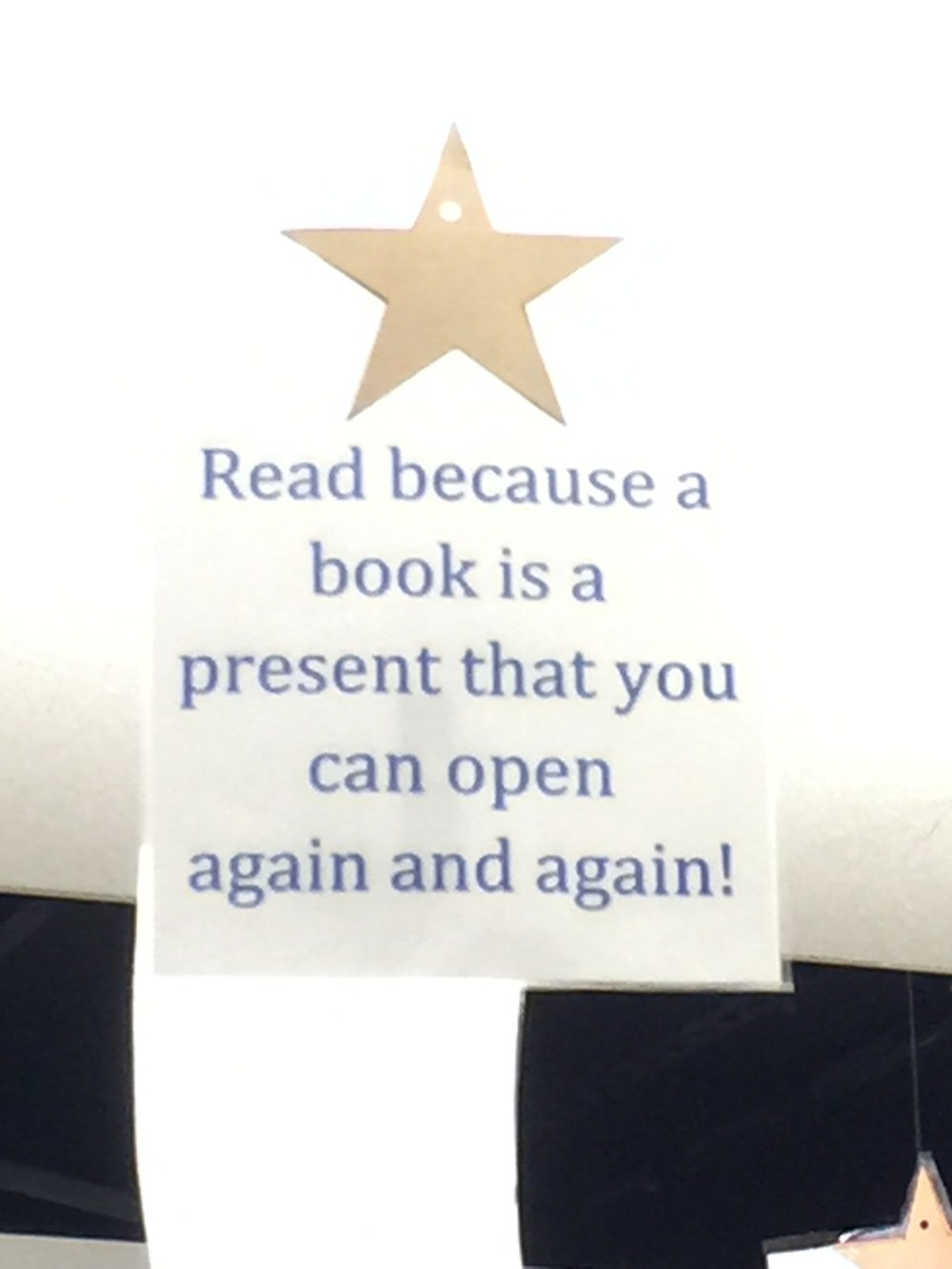
readabookbarnum

A poster hanging from the ceiling at Barnum School’s Library

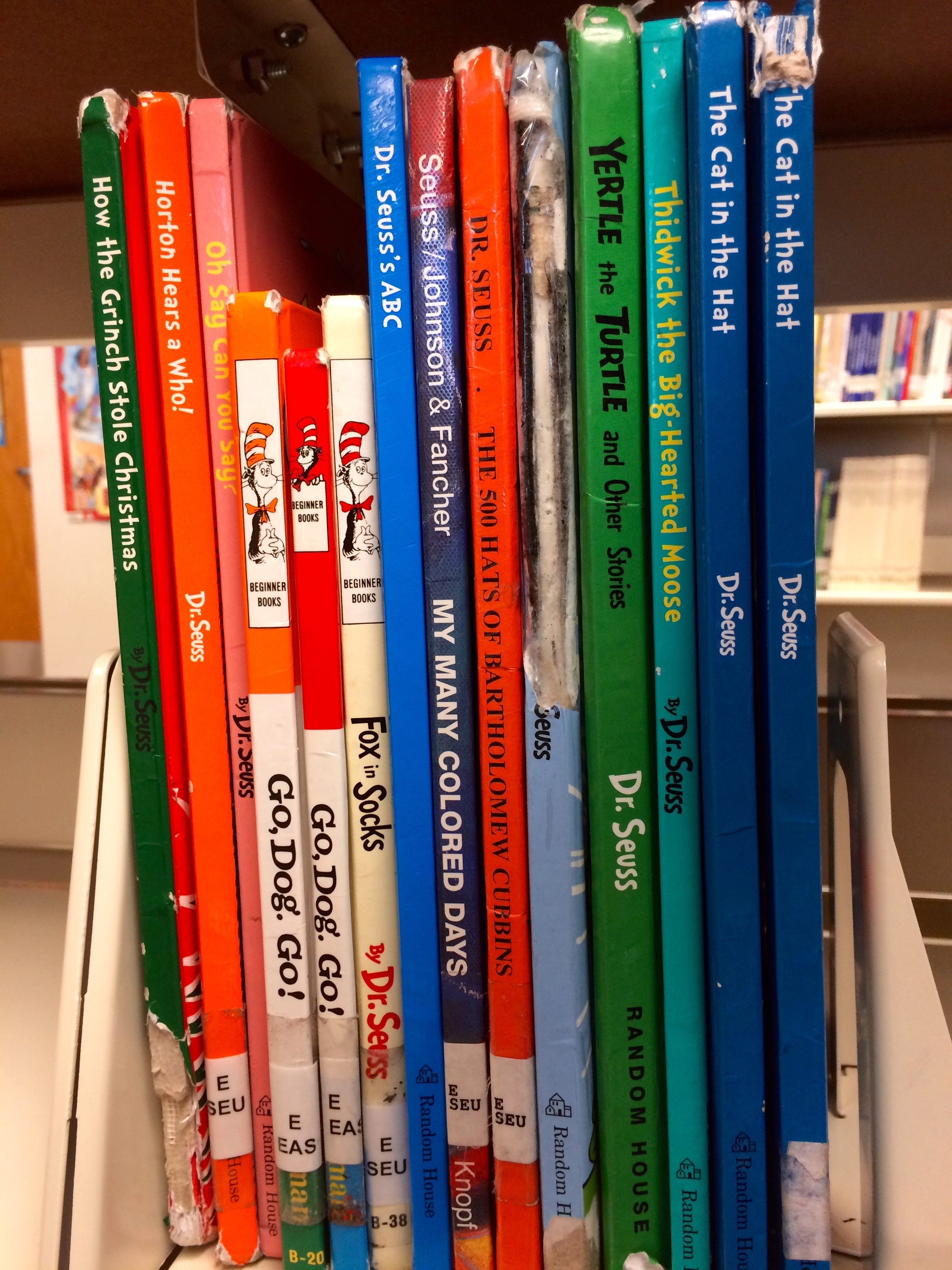
Dr. Seuss books are the favorite books of the younger kids at Barnum School. Dr. Seuss books are iconic and widely appreciated, making them less likely to be donated and given away. The books possess alluring creativity and an appealing rhyme scheme, making them very popular to younger readers. On the library shelves, we could see the prized pittance of Dr. Seuss books. Due to the demand and popularity of the Dr. Seuss books, children were not permitted to check those books out of the school library. So, we decided to raise money to purchase Dr. Seuss books for the kids at Barnum School.
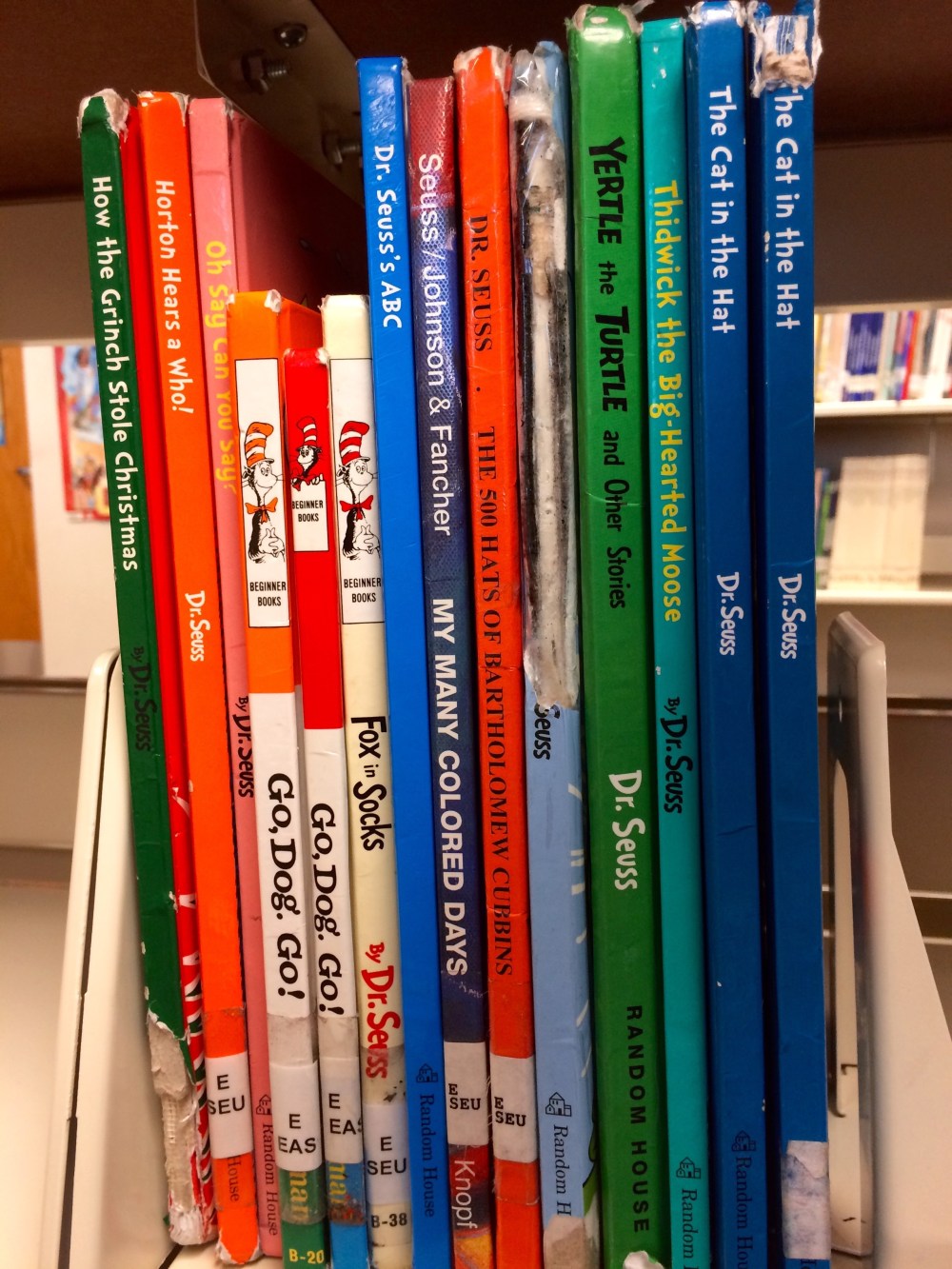
drseussbooks

The Barnum School’s Dr. Seuss books before our donation

Wonderland BookSavers does not need money to operate. The only exceptions would be our annual bake sale at Pequot Library, Lemonade for Literacy, where we make lemonade and bake treats and use our earnings to purchase books for five dollars a box during the last day of the sale. The other exception is for our very recent project of purchasing $1,000 worth of Haitian-Creole books for the children we donate to in Haiti. The money was donated to us by our partner and sponsor, Zoe Barry, founder and CEO of ZappRx. In order to raise money, we decided to have a Dr. Seuss-themed fundraiser. We organized a community event at our local library, Pequot Library. We prepared materials and ideas, and sent out flyers to publicize the event. The library helped us to prepare. We took newspapers, and laid them across the floor. We then placed large refrigerator cardboard boxes on the newspaper. On a table, we set up paper bowls, an assortment of paintbrushes, and tempera paint.
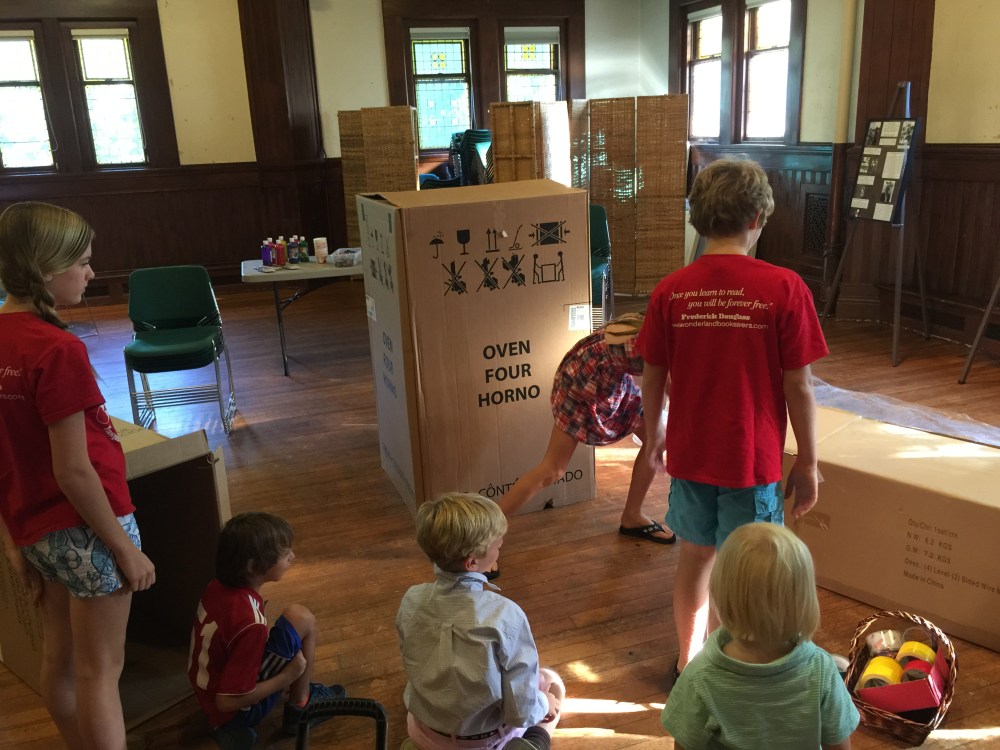
setting up sneetch event.JPG

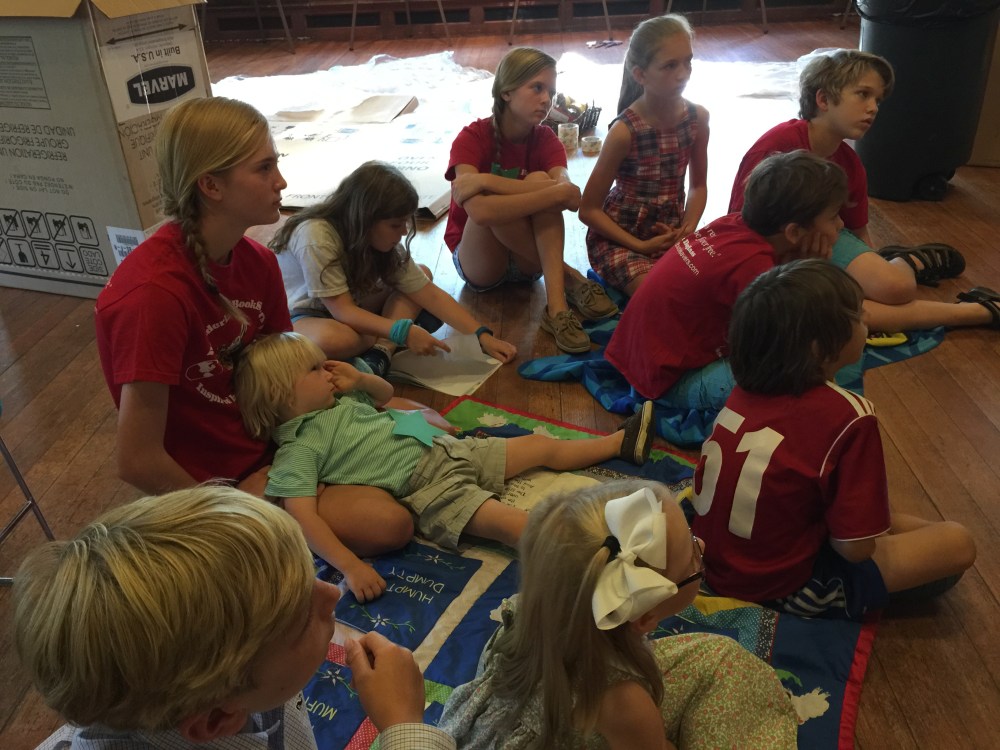
We set a fifteen-dollar admission rate for this event to raise money for Dr. Seuss books. When the children arrived, we ushered them to a blanket we had laid on the floor, and everyone sat down. The children’s librarian, Miss Susan, began story time. Before she began to read, Miss Susan handed out green stars to some people. During the story, when the Sneetches took their stars on and off, everyone would switch stars and take turns having stars and being starless. Everyone listened as she read The Sneetches and Other Stories by Dr. Seuss.
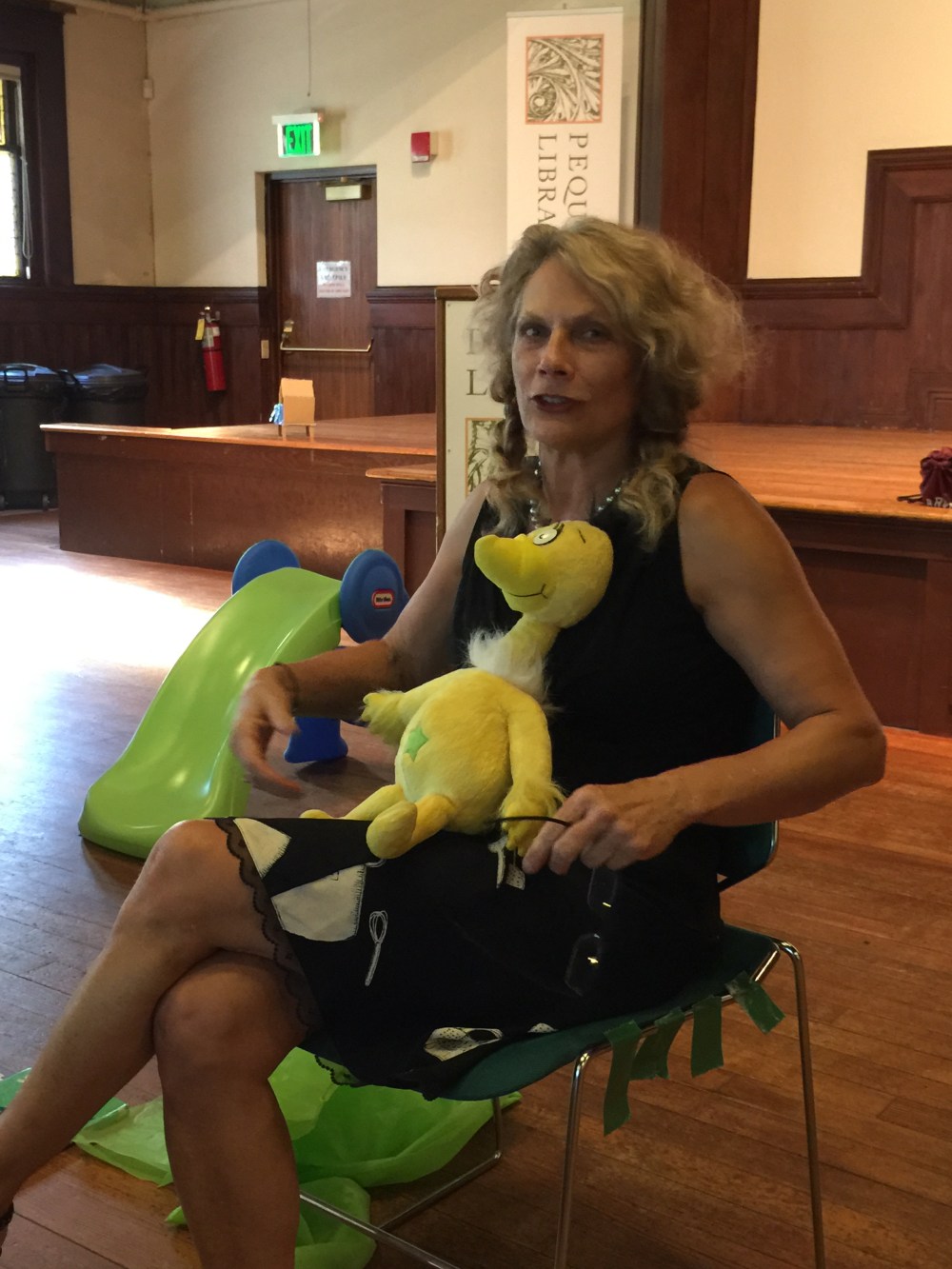
misssusanwithsneetch

Miss Susan with her star-bellied Sneetch stuffed animal

misssusanreadingsneetches.JPG

Miss Susan begins to read The Sneetches and Other Stories

listeningtosneetches.JPG

Everyone listens to Miss Susan read The Sneetches and Other Stories

When she had finished reading, we asked the children what they thought the moral of the story was. Their consensus was that it didn’t matter if the Sneetches had stars or not, they were all the same. We discussed how this was actually a larger theme: you should not discriminate against others because of their looks.


sneetchesmakeup

After reading and discussing the story, we explained the next portion of the event- building the Sneetch machine. Everyone began to paint the machine.paintingsneetchmachine
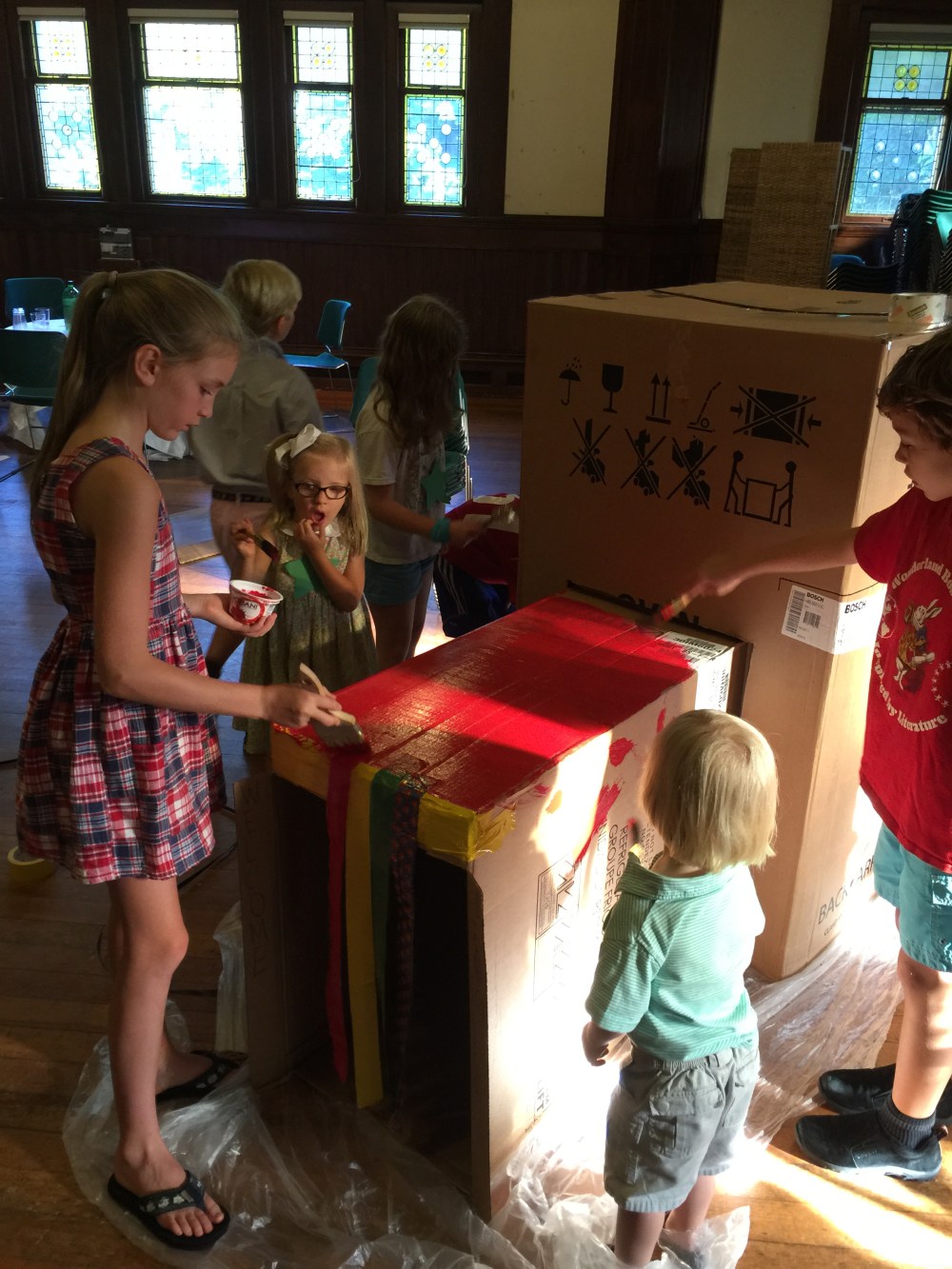
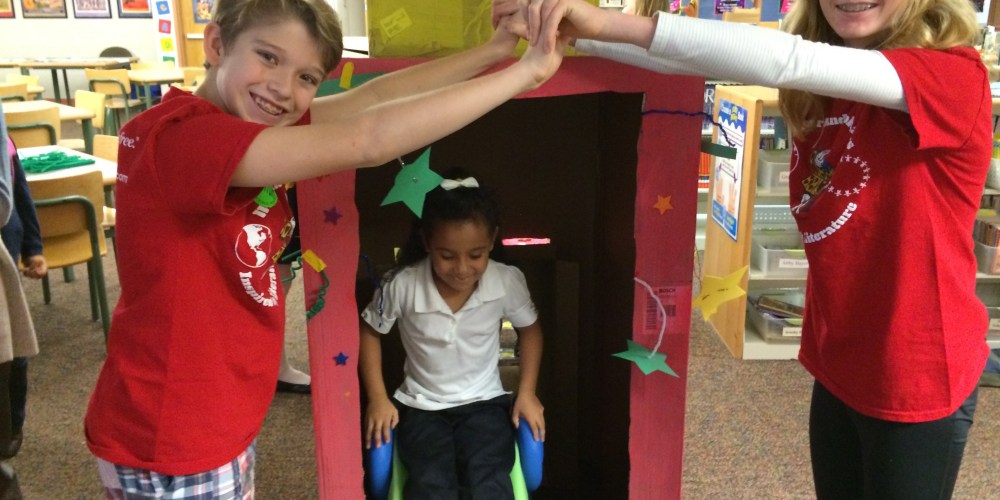
We took a smaller box, designated it as our tower, and painted it yellow. We painted the tunnel and main chamber of the machine red. With duct tape, we made streamers to cover the entrance of the tunnel. We made green stars, and while you were going through the machine, you could either put a star on, or take a star off. Once the paint had dried, we cut a large hole at one end of largest box. We placed a slide at the exit, and everyone took turns sliding out of the machine.
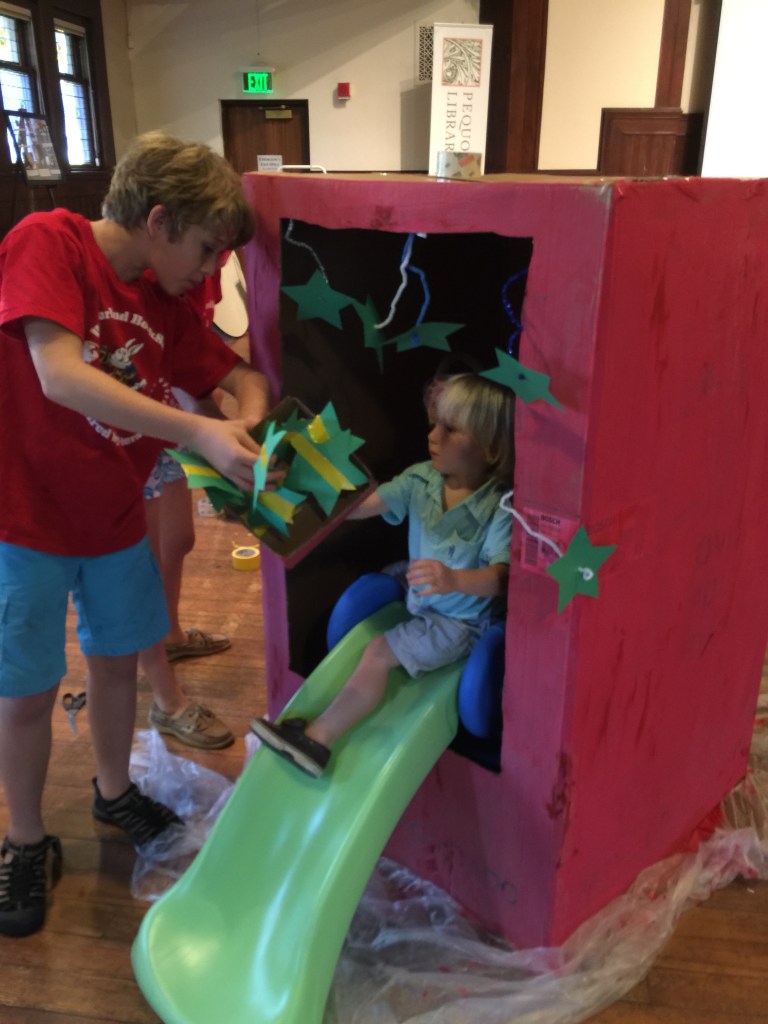
willsslidingoutofsneetchmachinekidcomingoutofsneetchmachineWe left our machine at the library for a few weeks, and eventually dismantled the machine before we brought it to the Barnum School, which is where the machine now resides.

About a month after our event at Pequot Library, we purchased Dr. Seuss books with the money we had made from our fundraiser, and headed to the Barnum school with decorating supplies, a large banner,some Haitian-Creole books to show the children, and the new Dr. Seuss books.

creole books

Haitian-Creole Books

We showed the children their new Dr. Seuss books, and we then proceeded to hold our Sneetch-related activities.
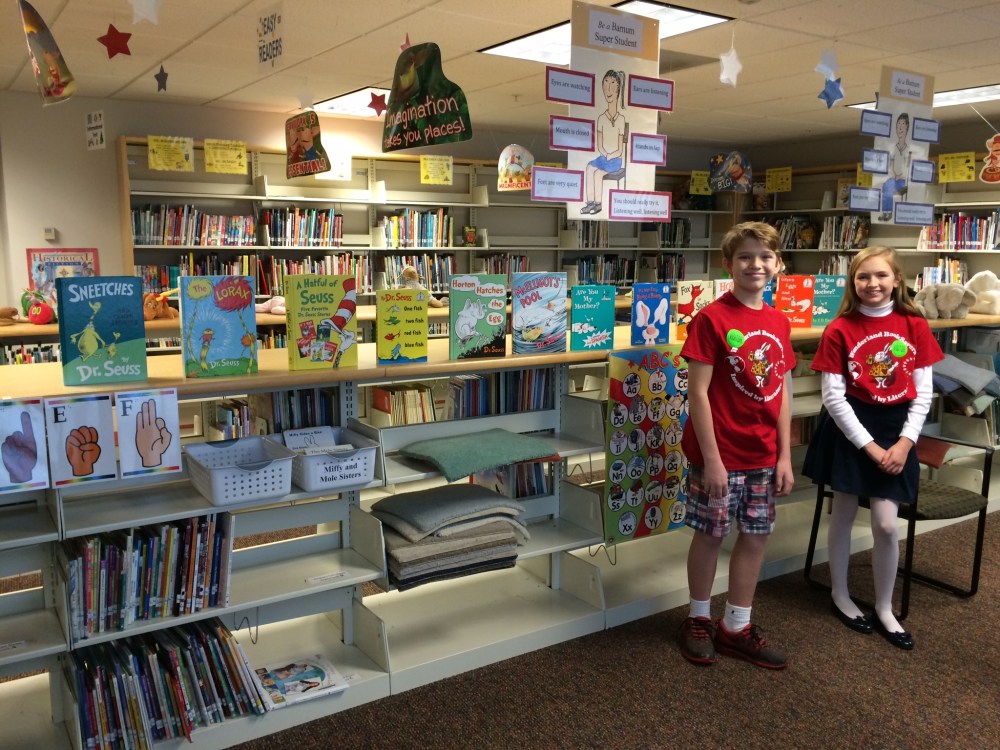
emmaandbrooksposingwithseussbooks

Emma and Brooks Morgan pose with the Dr. Seuss books we donated to the Barnum School

We spent the afternoon with three classes of first-graders as they had their library time. We did the same activities with all three groups. First, we would read The Sneetches and Other Stories, and discuss the morals.

emmabrooksreadsneetches

Next, we would read and show the children the Haitian-Creole books. After everyone had a chance to look at the Creole books, the kids got to decorate the Sneetch machine in shifts and write a few words and make drawings on the banner we sending to Haiti. But what they were most excited about by far was getting to go through the Sneetch machine.

childrenlineuptoridemachine

Everyone lines up to ride the Sneetch machine

The kids lined up, eagerly anticipating their turn to go through the machine. We handed everyone out toy money, like the money the Sneetches paid to go through the machines in the book, and they slipped the money into the admissions box and crawled through the tunnel, walked to the exit, and rode down the slide.
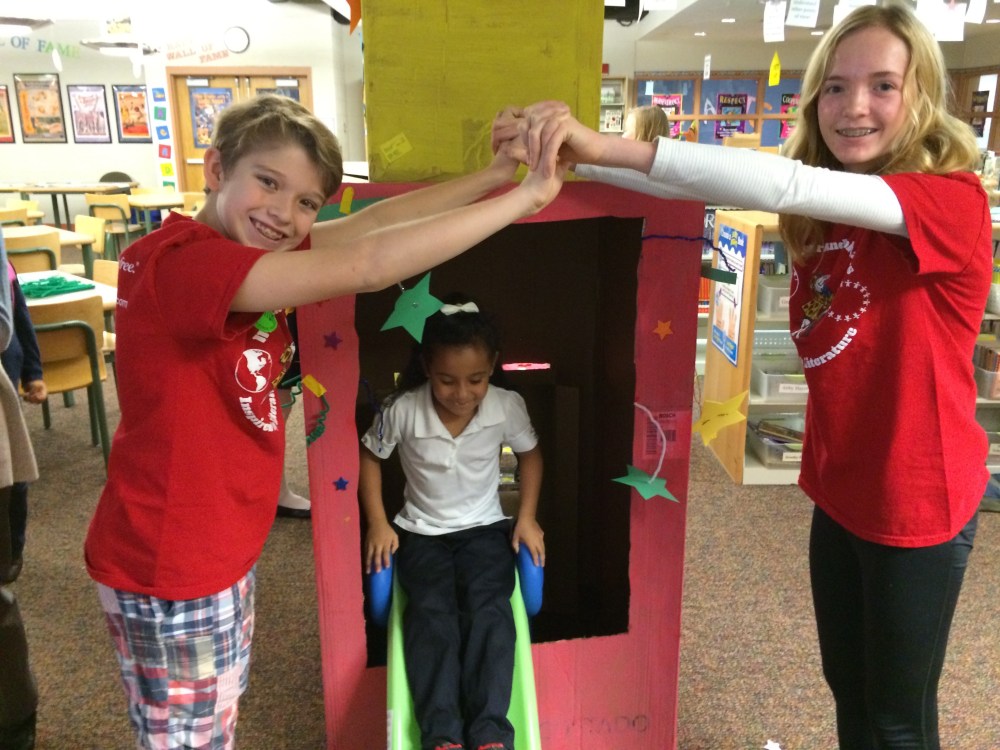
makingtunnelatsneetchmachine

Brooks and I (Madeline) making a tunnel as the children take turns sliding out of the machine

After repeating the activities with each class, we packed up our Creole books and rolled the enormous poster with the names, notes, and drawings of each first-grader scrawled inside. The Sneetch machine and has traveled from our local library to the Barnum School’s library. Our poster brimming with the drawings and messages from Connecticut children will be received by children in Haiti.
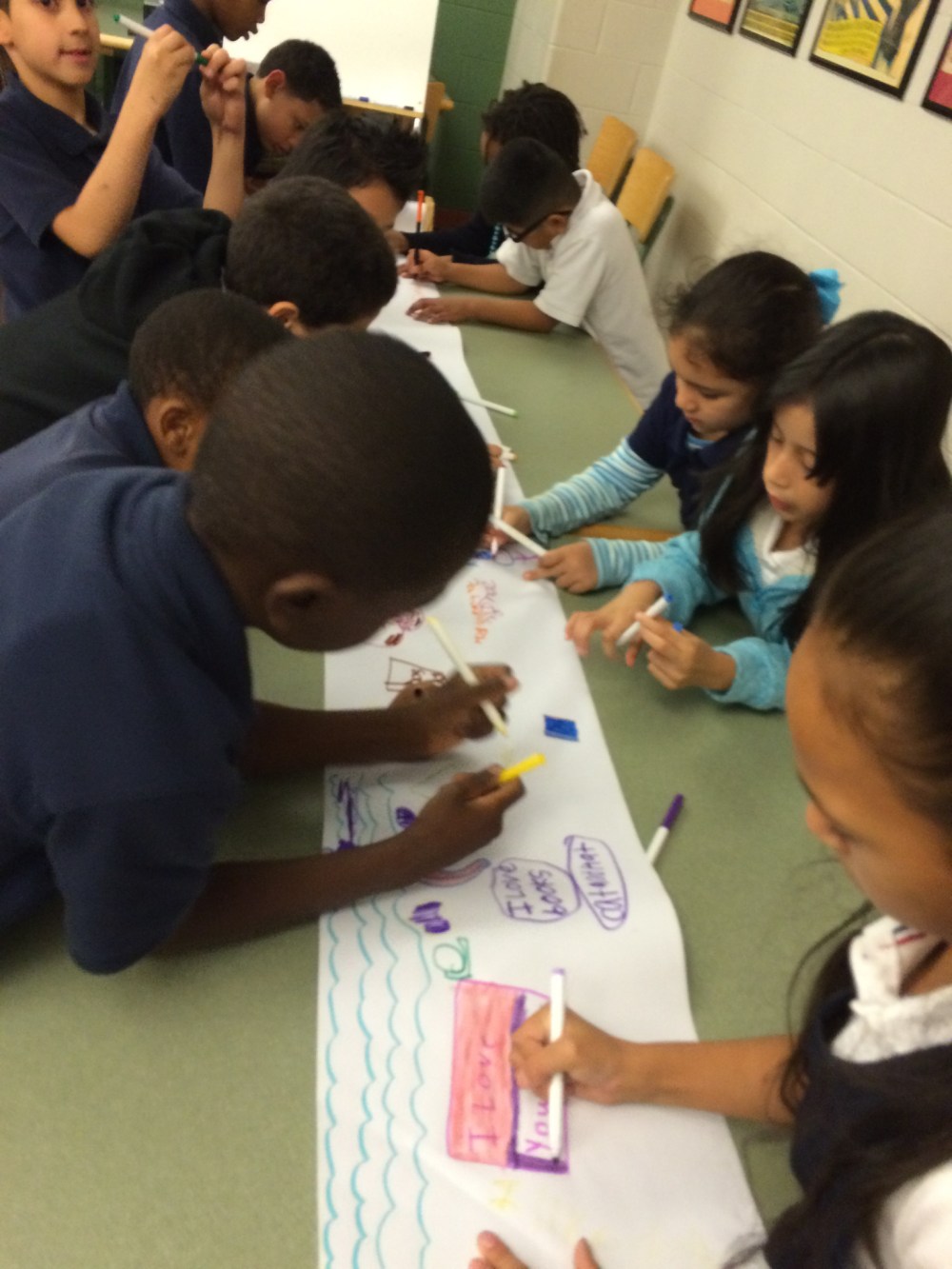
poster

Kids working on the poster

The Sneetches and Other Stories has made an impact in our community, at the Barnum school, and will soon make an impact in Haiti. Where will reading take you?

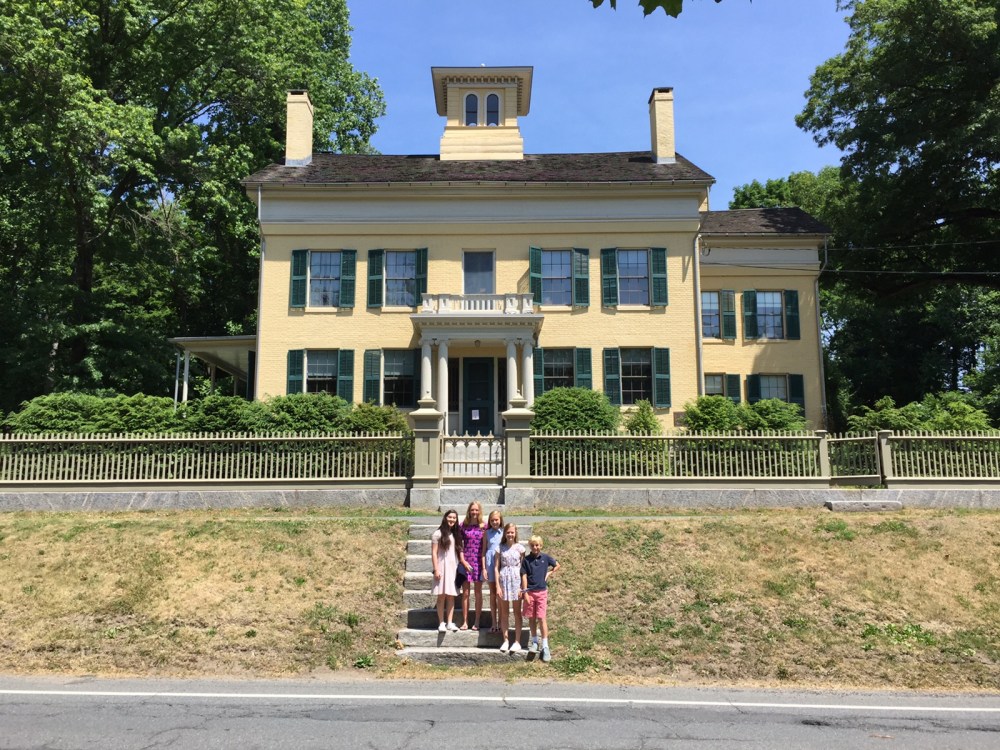
Sweet Seuss Success!!

Some of you may remember this forlorn collection of Dr. Seuss books owned by a local school library.

IMG_1989

The librarian requested that we assist her with Dr. Seuss books for her collection. She stated, “Dr. Seuss is a favorite.  The easy rhyme schemes are appealing to children and greatly aid early literacy efforts.”  We posted the request on our home page and Pequot Library noticed!

Pequot Library hosts an annual Book Sale for which it collects thousands of books.

IMG_2451The Director selected multiple Dr. Seuss titles. The school librarian was able to purchase these books through the Bucks for Books program.

download (1)Look for our special Dr. Seuss reading program which we will be doing with both libraries this summer and fall, featuring The Sneetches and Other Stories from our One Book: One World program.

sneetch machine Zax