Wonderland BookSavers Brings 1,000 Books to Boston

Written by Madeline

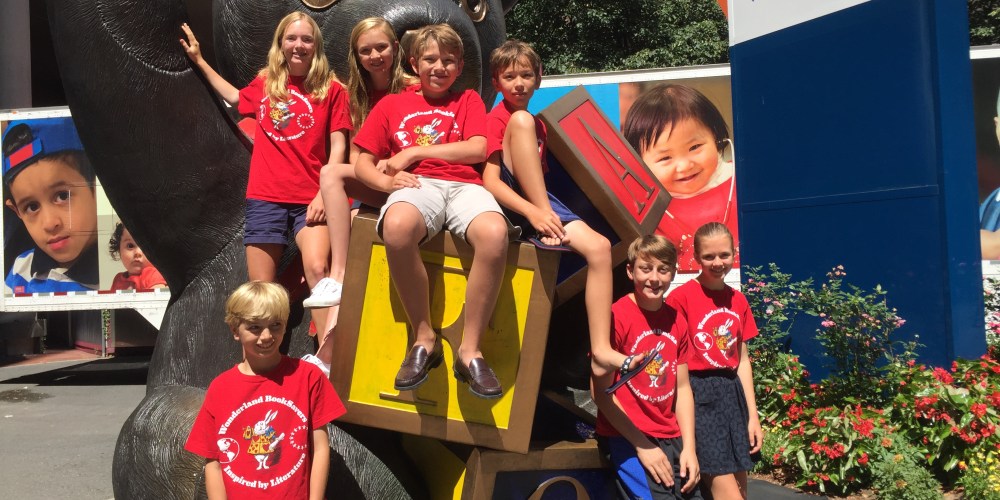
Last December, we traveled to Boston, bringing with us 2,000 books which we donated to the Reach Out and Read program at Tufts Floating Hospital for Children.

Pictures from our December donation in Boston

Every time a child visits the hospital, they are able to choose a book to keep and bring home with them.

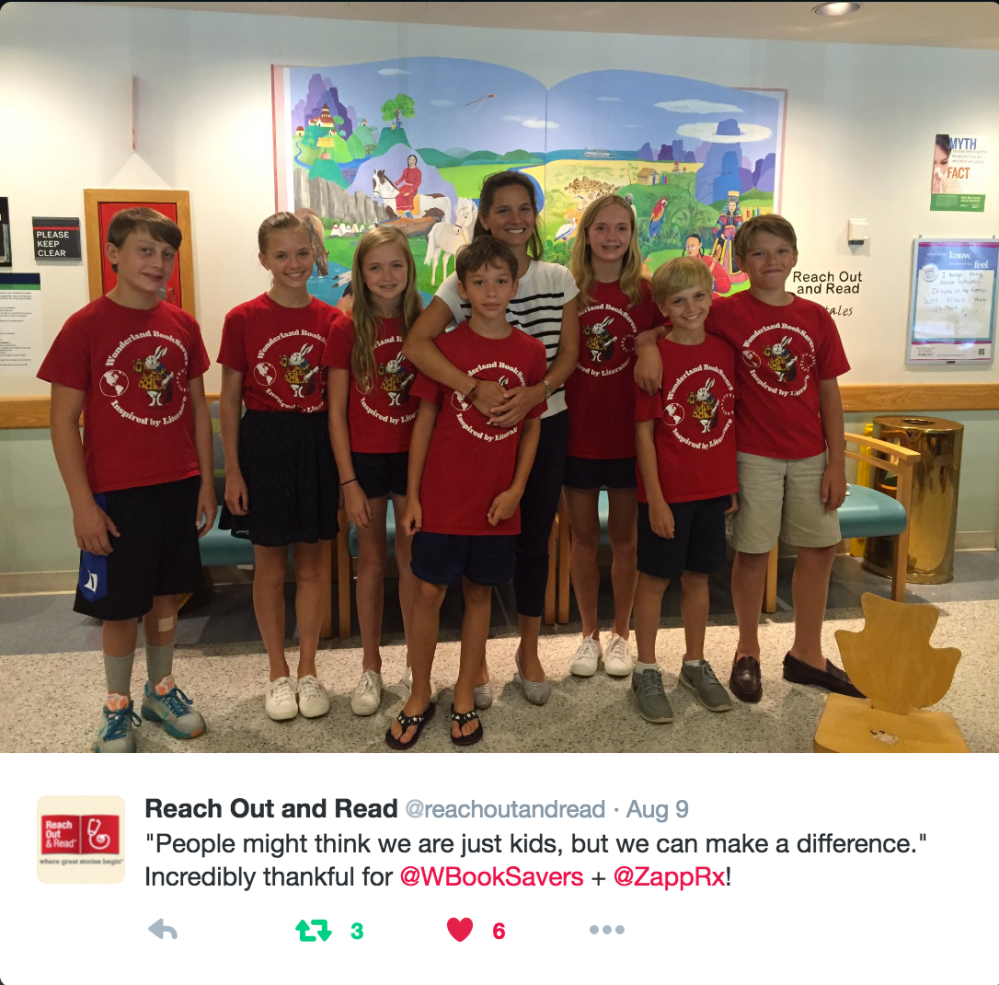
On August ninth, we trekked back up to Boston with another 1,000 books to replenish the bookshelves at the hospital. When we arrived, we were greeted by community partners Zoe Barry, the founder and CEO of ZappRx; Reach Out and Read coordinator Marika Michelangelo; Anne Carroll from Tufts Floating hospital; and hospital and Reach Out and Read interns.

We unloaded boxes of books from our cars, placed the boxes on dollies, and carted the dollies through the hospital and into the elevators.

When the metal elevator doors opened, we guided the dollies through the hallway, and unloaded some of the boxes into the closet where extra books are kept for the hospital to refill their shelves with. Next, we brought our books over to the same bookshelves we filled last December. Almost all of the 2,000 books we had brought 9 months ago had been selected and taken home by children.

We opened our boxes of books which had already been sorted into three levels: pre-school through third grade, fourth to sixth grade, and middle/high school. We then stocked the books on the shelves in those respective categories and order.

The hospital and Reach Out and Read personnel briefly interviewed and questioned us about our project, and after our discussing our charity, we thanked everyone and departed.

rortweetwbs.png

After leaving the hospital, we went to the John F. Kennedy Presidential Library, which is the second presidential library we have visited as a team. We explored the museum and archives.boston9

Our excursion to John F. Kennedy’s Presidential Library concluded our trip to Boston, but we will look forward to bringing more books to Boston in the near future.

Aid for Ecuador

by Brooks Morgan

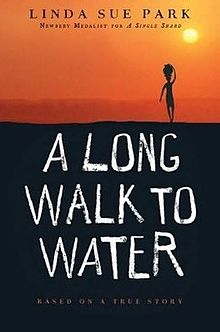
In the summer of 2013, Wonderland BookSavers read A Long Walk for Water, by Linda Sue Park.

220px-ALongWalkToWater

This amazing book is a fictionalized account of the real-life story of a young boy, Salva, who is caught in the cross fire of the civil war in the Sudan. His happy childhood becomes a nightmare. As he matures to adolescence, Salva comes to realize that the search for clean water is a major cause of so much violence and unhappiness in his homeland.   As an adult, Salva traveled back to the Sudan, bringing the gift of clean water to his friends and enemies alike, thereby hoping to also bring the gift of peace to the warring villages.


The Wonderland BookSavers, being inspired by literature, recognized immediately the importance of clean water, not just in the Sudan, but also across many countries in the developing world. We decided to have a lemonade-stand style stand to raise funds and awareness. At the opening of a local public park, we hosted a Water 4 Water stand. We sold bottles of water for $2.00, and raised $150.00.

images

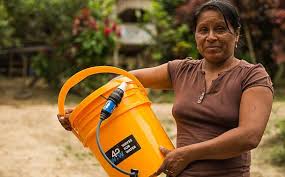
We used this money to purchase 3 simple water purifiers. We gave these to a teenage friend who was traveling to Ecuador. Each water purifier was placed in a separate village, allowing for clean water for 3 villages!


This past April another teenage friend was traveling to Ecuador for a mission trip to Monte Sinai, located in Guayaquil, Ecuador. He asked for donations of T-shirts to share with the children in the Rostro de Cristo orphanage. As soon as we heard this request, we knew the Wonderland BookSavers could again step up to help children in Ecuador.

IMG_4634

Within a few days we were able to gather over 100 T-shirts. Reid and I washed and folded all the shirts. We were very happy to think of other children enjoying all our cheerful shirts!

_89278577_89278576

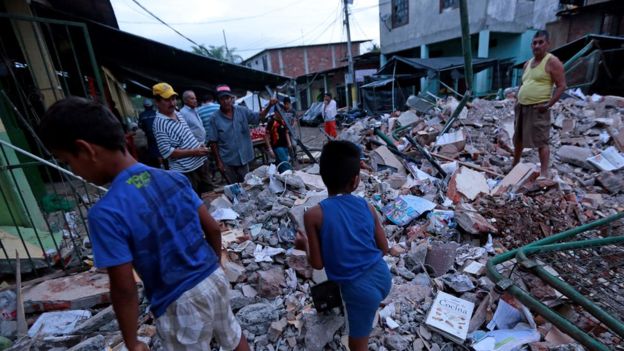
Unfortunately, just as our friend was visiting Ecuador, an enormous earthquake occurred! Our friend was safe, but sadly, many others were injured. Currently the Ecuadorian government is trying to encourage travelers to reconsider Ecuador as a viable vacation destination. The earthquake not only cost many people their lives but has also done great economic damage to the country.

Our prayers are with the beautiful people of Ecuador.

My Maine Summer Reading: The Sign of the Beaver, report by Reid

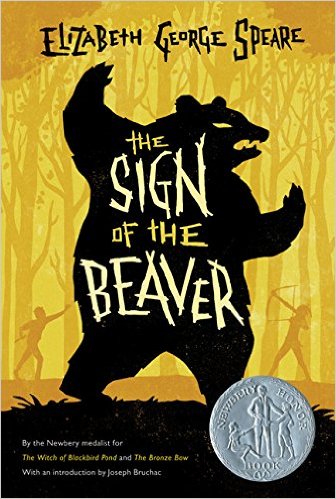
The Sign of the Beaver, by Elizabeth George Speare, is one of many books that I read this summer. The first 3 chapters were not the greatest, but after that I could not stop reading. It took me one day to read this 130 page book and 1 hour to write this, I wrote everything myself without any help!

51z0BJ7nMSL._SX334_BO1,204,203,200_

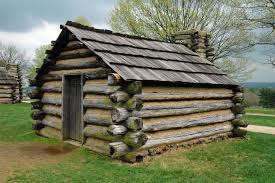
The main character, Matt, was left alone, by his father, to guard the new log house they had built in the woods. Matt’s father had to bring back his sister and his mother and Matt had to stay and guard the log house because that was their only place to live. Matt is left with his father’s gun to use for protection and hunting. But a stranger came and Matt was nice and let him stay in the cabin, the stranger’s name was Ben. When Matt woke up Ben had stolen Matt’s gun. The loss of his gun meant that Matt had to begin figuring out how to take care of himself in the wilderness.


Hunger finally drives Matt to raid a bee’s nest in the hope of finding honey. Matt stuck his hand into the beehive and the bees swarmed. Matt ran and dove into a lake, trying to save himself. He got many stings, fainted and woke up to find two unusual people standing in front of him. He got a better look, and discovered they were Indians!

imgres-5

Matt learns that the familiar looking stranger, Ben, could not be trusted, but the unfamiliar and frightening Indians save his life. Matt trusted the Indians and wanted them to help him. One of the Indians is a boy of the same age as Matt, Attean. Attean’s grandfather arranges for Attean to help Matt in exchange for teaching Attean to read. However, Attean is very disdainful of Matt, because Attean was forced to go to the reading lessons by his grandfather. Every day he had to bring Matt meat, or some honey or just something to help Matt survive. Attean also didn’t like Matt because Attean thought that white men were dumb and also were taking the Indian’s land. Matt wanted Attean to be friends with him, after a little while Matt’s wish came true!

4454b4dcd2ee2672694f11dbd3c1eabf

One day Matt and Attean are almost attacked by a bear. Together they manage to save themselves and kill the bear. Matt is surprised to see that Attean says a prayer to the soul of every animal that they hunt and kill for food, including the bear. Attean explains that he wants to tell God that he meant no harm, and the bear could have killed them, so they killed the bear.

images

Matt longed to be able to do something that would help Attean. One day he got the chance. Attean has a beloved but mangy dog that can’t hunt or do anything but follow Attean around. Another tribe in the woods used metal traps to catch animals. Attean’s dog became trapped in one and Matt tried to save it. Matt tried to open the trap, but the dog didn’t really know Matt so it growled. Matt left and got Attean’s sister because Attean was hunting. Attean’s sister put a blanket over the dog and distracted the dog while Matt opened the trap. After that the dog loved Matt and Matt wondered if the dog actually had memory of Matt saving him. Through their experiences with one another, Matt and Attean became like brothers, even Attean’s grandmother and tribe began to accept Matt.

images-2

I liked this book because it was about surviving in the wild and instead of just surviving in the wild Matt also made friends with the Indians. I really liked the end because I thought Matt’s father and his family would never come back but they did! Sadly the new baby died on the way, it only lived 5 days.


I learned many things from this book. If I get lost in the woods without anything but my clothes I would remember the things Attean taught Matt. For example, I could try to make a shelter, I could try to make a knife and hunt for food or I can find a pointy stick, go to a pond, and then try to catch a fish. I also learned to respect nature and the souls of animals. Attean believed that the animals could understand him when he spoke to them. Most importantly, I learned one must establish a relationship with someone before you can tell if you can trust him and if they are worthy of being your friend, or brother.

Lemonade for Literacy

by Madeline

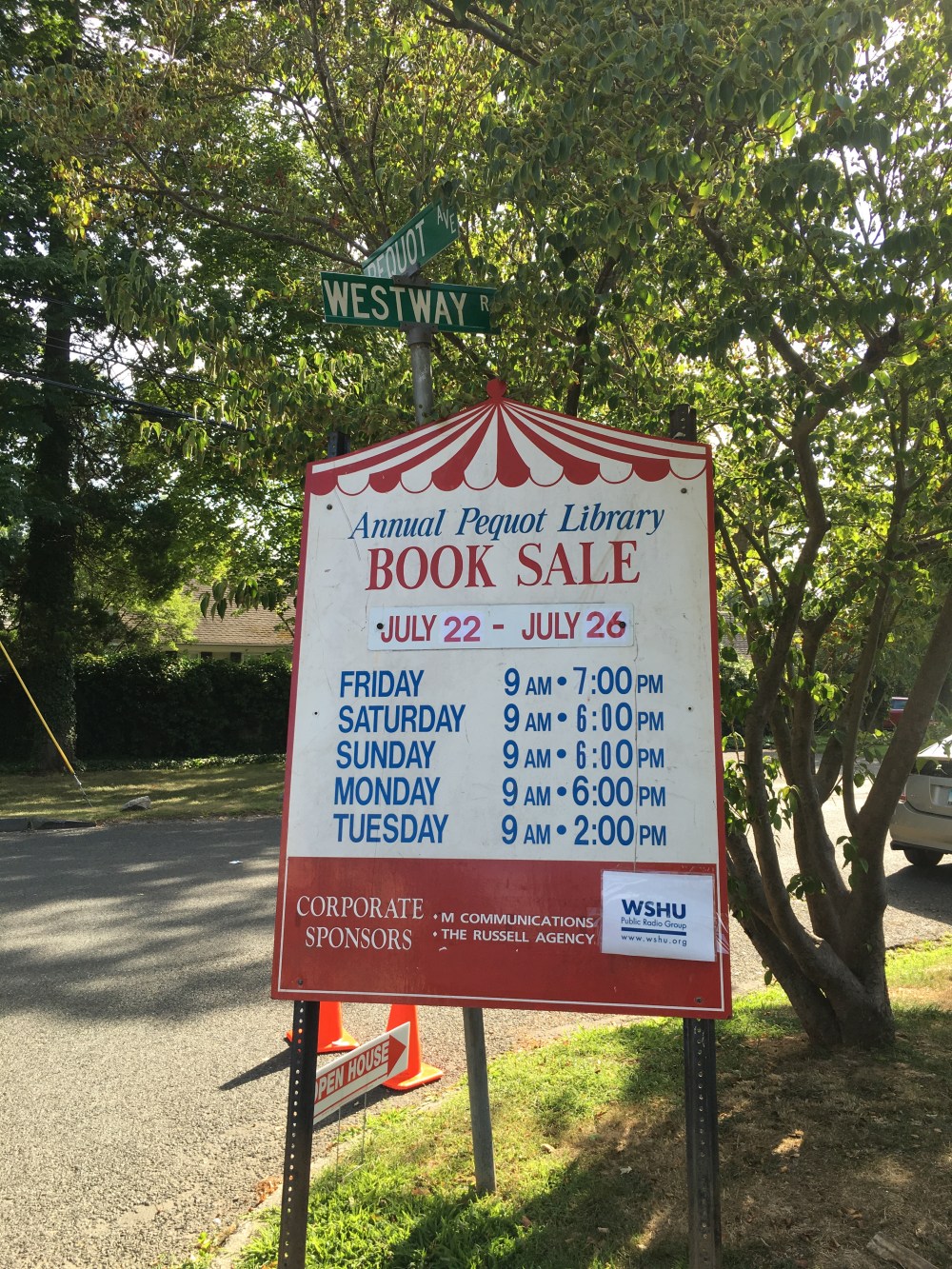
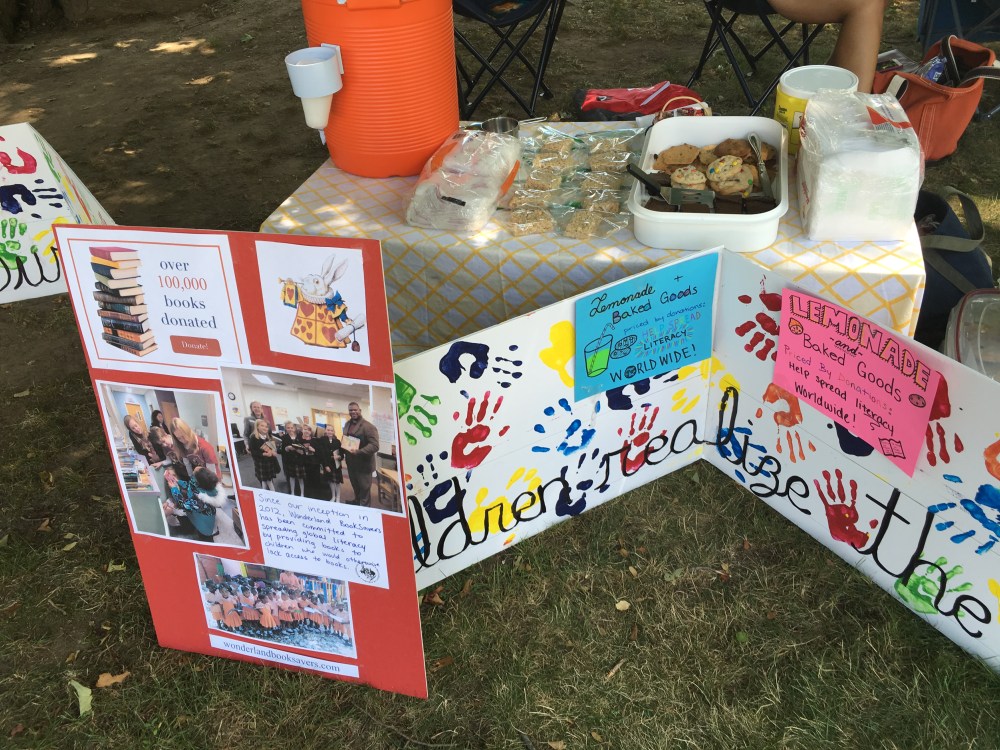
This past week, Pequot Library held its annual book sale. Pequot Library’s annual book sale has been dubbed the biggest and the best book sale in New England.pequotbooksalesignFor the last four years, Wonderland BookSavers has run a “Lemonade for Literacy” stand during the book sale. The purpose of Lemonade for Literacy is to raise donations to purchase books from Pequot Library’s book sale, and then donate those books. The books we obtained this year via Lemonade for Literacy and Pequot Library’s book sale will be going to South Africa, Zimbabwe, and Ghana. lemonadestand3To prepare our stand and concessions, we spruced up some of our old signs and banners and created some new signs with recent pictures of our service work so customers could see the children we serve.

Each night, we baked new batches of brownies, cookies, and rice crispy treats. Every morning before we went to the library, we made a new batch of homemade lemonade. We arrived at the library in the late morning each day to settle ourselves and set up our stand. We propped up a piece of plywood as a table on top of wooden crates, and then swept a yellow and white table cloth over our table. Next, we put our cooler filled with our ice cold lemonade to one side of our stand, and we arrayed our baked goods across the rest of the table. lemonadestand1Instead of having fixed prices on our commodities, we had all our goods priced by donation.

We ran our stand from about 11 AM to 4 PM each day of the book sale. We had many customers, but during the slower times of day, we passed time playing Apples to Apples, UNO, and reading books.

On the last day of the book sale, instead of running Lemonade for Literacy, we selected books from inside the expansive white tent, and then used our $212.50 that we raised through our lemonade stand to purchase 1,500 books.lemonadestand10Through our Lemonade for Literacy stand, we were able to benefit our longtime community partner Pequot Library while collecting books to donate to children in Zimbabwe, South Africa and Ghana.


The Eric Carle Museum

By Claire Langdon

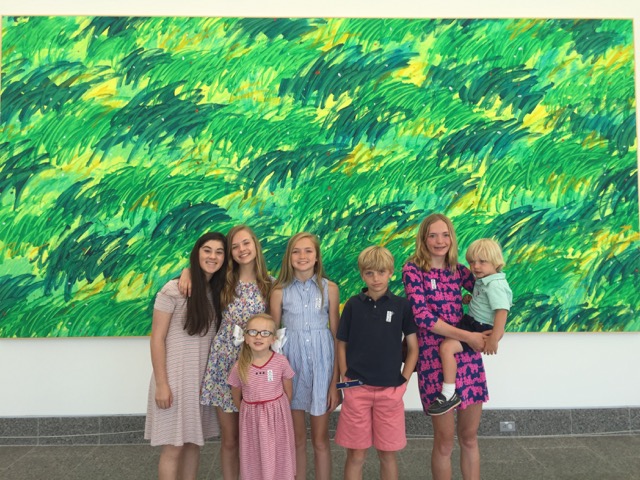
Recently, the Wonderland BookSavers visited the Eric Carle Museum in Amherst, Massachusetts. The picturesque facility sits on idyllic farmland, surrounded by verdant pastures and mountains. The museum itself boasts a countless variety of artwork by illustrator and author Eric Carle: the work ranges from large canvas paintings to small collages. Additionally, the Eric Carle Museum exhibits the art and literary works of other artists and authors, and houses a fabulous library, bookstore and an arts and crafts workshop.IMG_1520.jpegIMG_1569.jpeg

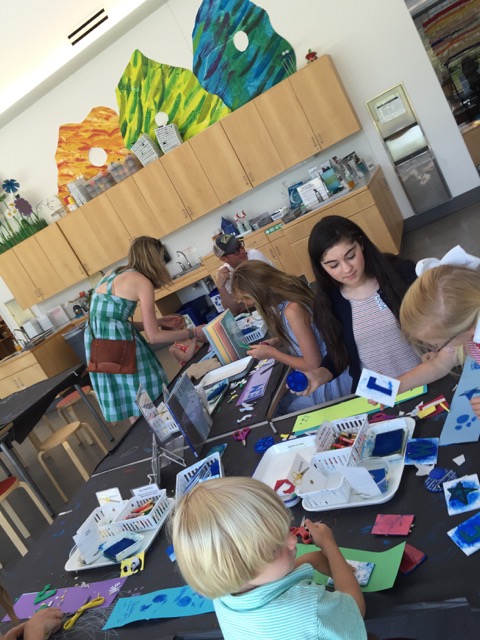
Above is a picture of the arts and crafts room. They taught us how to make our own creative stamps with which we could create our own prints! We took our inspiration from the colorful simplicity of Eric Carle’s collages.

This time, the special exhibits consisted of an exhibition of Beverly Cleary’s books and characters, as well as an intriguing exhibit on the works of Robert McCloskey, the author of childhood classics such as Blueberries for Sal and Make Way for Ducklings. Cleary’s exhibit showcased drafts and developments on stories and characters such as Ramona Quimby and The Mouse and the Motorcycle. 

We found the illustrations, drafts and products of these prestigious authors to be inspiring to our own efforts in writing and art. As aspiring students and writers, we are often told that drafts are the key to potent and eloquent pieces, but seeing their processes incarnated this advice into reality.

IMG_1560.jpegIMG_1552.jpeg

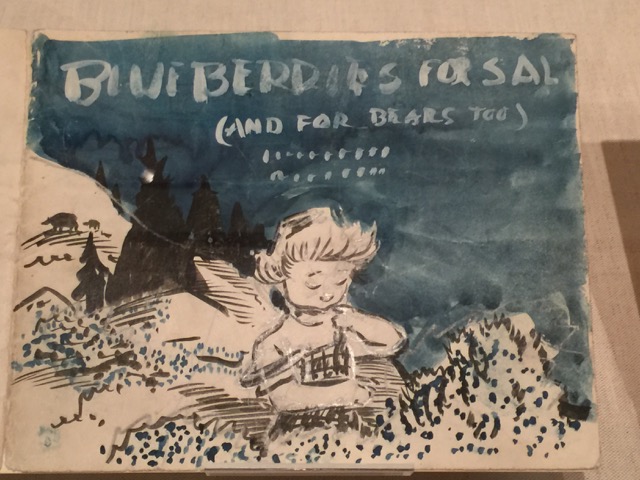
Above are drafts of the illustrations for Make Way for Ducklings and the cover of Blueberries for Sal.

Within the exhibition galleries, there are always relevant books flanked by chairs and benched, encouraging children and adults alike to sit and read a book. This promotion of literacy is one reason that we love visiting the Eric Carle Museum: it demonstrates that literature and learning can be fun, and explores the impact of art on books.

IMG_1526.jpeg

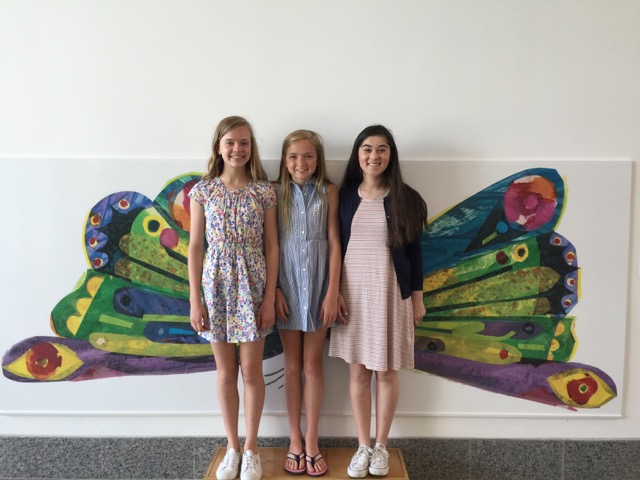
IMG_1525.jpegOutside of the cozy library, there are large versions of some of Carle’s most recognizable characters from his widely cherished childrens’ books, including those from The Very Hungry Catepillar.

Overall, the Eric Carle Museum is host to a spectrum of engaging and enlightening activities and exhibits. The exceptionally curated exhibits are continually renewed with engaging exhibits laden with art and literature, and the Eric Carle Museum has become a favorite stop!


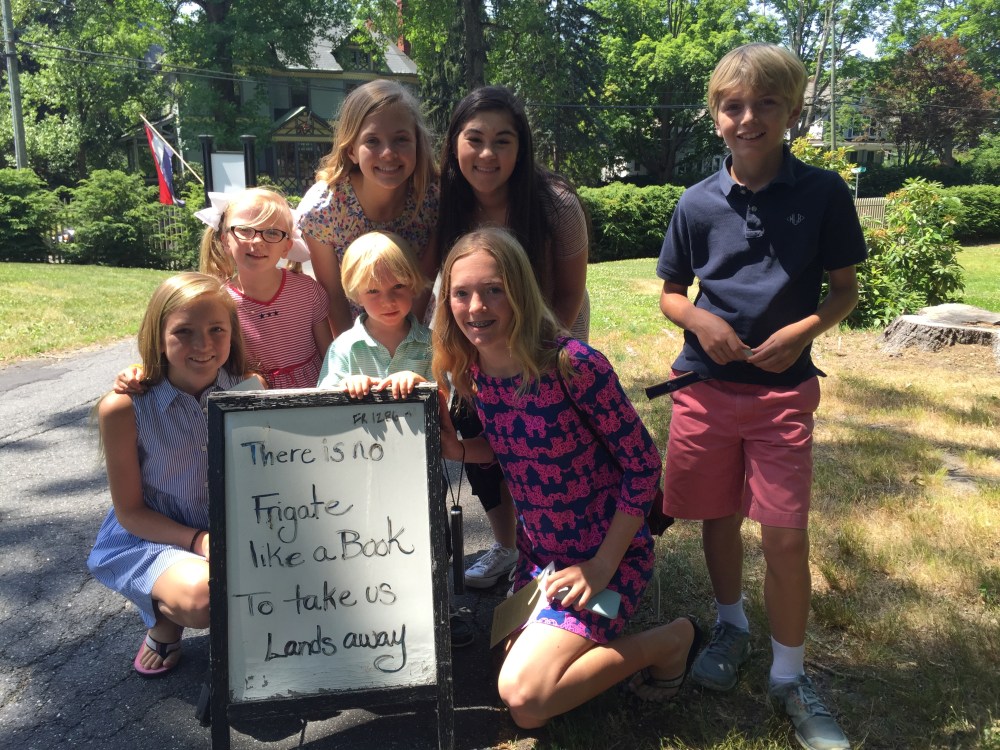
There is no frigate like a book…to take us to the Emily Dickinson Museum

By Madeline

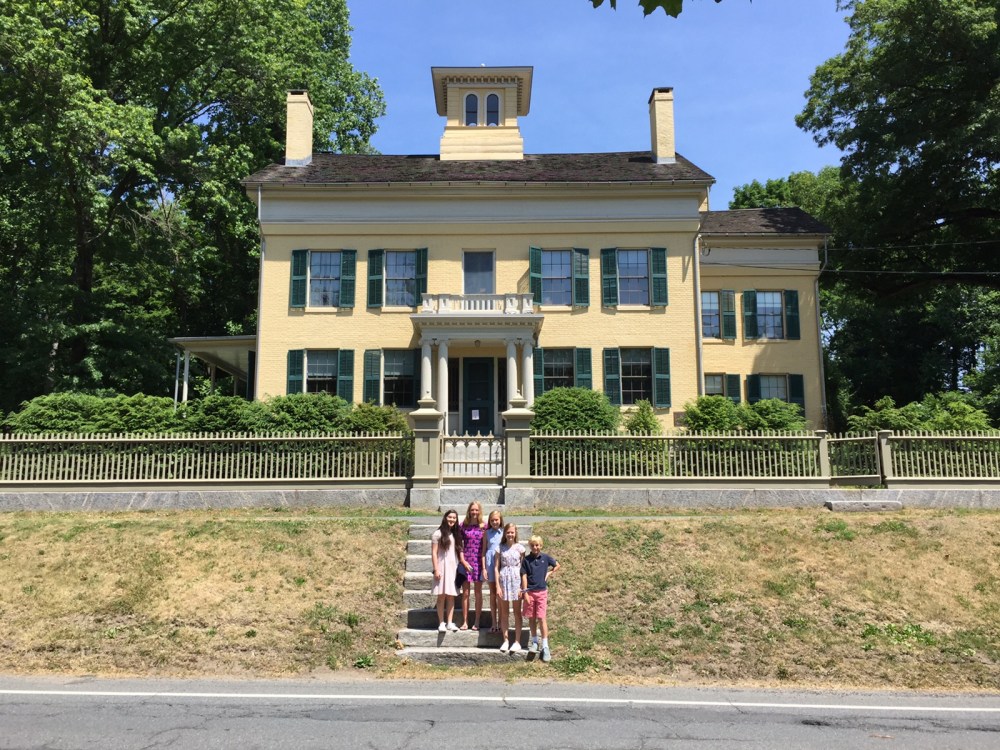
Recently, the team traveled to Amherst, Massachusetts. While we were there, we visited the Emily Dickinson Museum, which is comprised of the Dickinson Homestead and the Evergreens.

emilydickinsonhouse.jpeg

The Dickinson Homestead

Emily Dickinson was born in Amherst, Massachusetts on December 10, 1830, and died in Amherst on May 15, 1886. Dickinson penned nearly 1,800 poems during her life, including one of our team’s favorite poems, There is no Frigate like a Book.

There is no Frigate like a Book
To take us Lands away
Nor any Coursers like a Page
Of prancing Poetry –
This Traverse may the poorest take
Without oppress of Toll –
How frugal is the Chariot
That bears the Human Soul –
We first encountered this poem when we did a poetry section for our book club shortly after our charity’s inception in the fall of 2012. This poem has been an impetus for many of our projects and our ideas, and for us to learn more about this poem and Emily Dickinson was incredibly special.
thereisnofrigatelikeabook.JPG
At the museum, we toured the grounds and gardens and listened to an audio guide which informed us about Emily Dickinson’s personal life. The guide also proffered a plethora of Dickinson’s poems and the contexts in which each poem was written.
It was fascinating to see Emily Dickinson’s home and inspirations for her poems, and we will look forward to exploring more about the iconic poet and her literary creations.

Great Books Camp Experience

Written by Madeline Langdon, Rachel Philips, Alina Peon, Shanoy Clarke, Sarah Smith, and Zara Wilson

The breakdown of pods with Zara Wilson

Pods: or better known here at Great Books as groups of up to eight intelligent and insightful young smiling faces. Each pod typically starts out as a group of timid strangers but they ultimately end up as confidants that guide each other through their intellectual and emotional growth during their stay at Great Books.  

PAs are fearless leaders at camp that keep each pod on track.  They prepare each camper for lecture in the morning by implanting the campers minds with their advanced interpretations of each text that we read together.

Pod life:  Night discussions can turn into debates that only deepen each person’s knowledge and strengthen the bonds.  

morrisprattdorm

The Great Books senior dorm

Hideous Cup of Poetry Competition by Madeline

Every morning after breakfast, we gathered around the Noah Webster statue to hear the daily announcements. After announcements, campers would eagerly raise hands hoping to be called on to recite poems. Reciting poems earned your pod points, and at the end of the week, the pod with the most points got to sign the Hideous Cup of Poetry and be immortalized as a Great Books legend. Recitations varied from Shakespeare excerpts to Hamilton songs to works by prolific poets like Lewis Carroll, Emily Dickinson, and many others. The winning pod was the Pointillism Pod with 85 points.

Lectures by Madeline

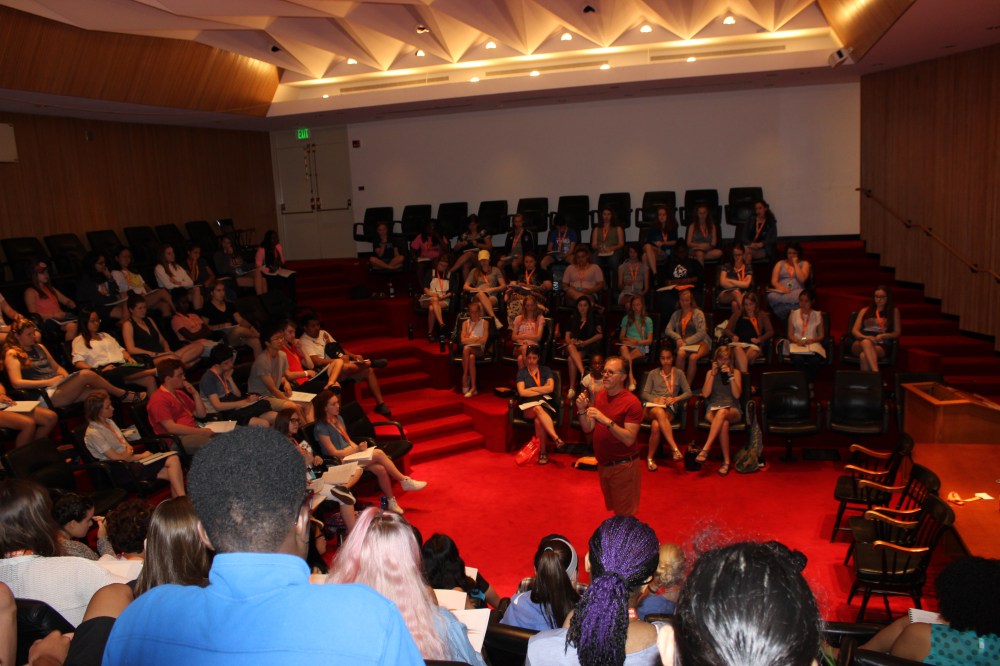
After announcements and poetry recitations, we walked over to the auditorium and sat with our pods and friends to listen and participate in a lecture led by Ilan Stavans. We discussed the readings we had read with our pods the night before, and we would parse, dissect, and analyze every sentence, aspect and idea of the piece to gain a greater understanding of the presented literature. Our readings were diverse in terms of idea, complexity, writing forms, and when the pieces were written. The theme of this week was “In Dreams Begin Responsibilities”, specifically focusing on the correlation between responsibilities and dreams. We started the week off with a short story by Delmore Schwartz, entitled “In Dreams Begin Responsibilities”and we transitioned throughout the week to the W.B. Yeats poems, “To a Child dancing in the Wind” and “Sailing to Byzantium”, “The Journey” by Mary Oliver, “A Philosophical Satire” by Sor Juana Inéz de la Cruz, Martin Luther King, Jr.’s “I Have a Dream” speech, “The Threshold” by Cristina Peri Rossi, “Method of Dream Interpretation” by Sigmund Freud, the first chapter of Don Quixote and finishing with Genesis 28:10-22.
gblecture.JPG

at the lecture

Food by Alina

What do Great Books campers eat?

No, not words and chunks of paper.

During our weeks at camp we shared breakfast, lunch and dinner- or should I say teatime because it was a little bit earlier than usual- at the Valentine Hall. There plenty of options from different cereals to bagels, from pizza to various greens, a salad bar, and there was even ice cream, yes toppings included!

But because lectures and classes were very stimulating and at times mentally exhausting, we really needed to stay fueled all day long, so we munched on kind bars and rice rollers in the common area.

Maps by Shanoy

In “Maps with Peter”, we cover facts about maps that no one cares to think about. When looking at a map, no one bothers to question who created the map and how relevant it is. Maps were used in nation-states and empires to legitimize the power of the ruler and to help the powerless remain powerless since they could not locate resources. Now that a larger variety of maps exist, people tend to forget the power a map holds and how it can contribute to a nation.
mappingwithpeter

Arthurian Legends by Alina

“Arthurian Legends” was another literature elective, all about princesses, knights, swords and battles. What intrigued us about the class was the debates we held to see who won the best knight cup (Lancelot or Gawain) and the discussions we had on whether destiny is always true and fair. And when class was all over we always wondered we should pick up our bags or pick up shiny swords instead, but then we woke up from this dream and realized we were not on the battlefield anymore – we were at Amherst College instead.

Bringing Big Ideas to Life by Rachel

“Bringing Big Ideas to Life with Gabe” is a literature elective for the aspiring entrepreneur, or anyone with a big idea to solve a prevalent issue. On the first day, the questions to consider were: what is a problem that you could solve? Is anyone else doing it? If so, how will you do it differently? Who do you need on your team? The next step was a Value Proposition, a short summary of what your benefit your idea has, whom it is for, and how the idea/product solves the problem uniquely from competitors. Campers also created survey questions, to determine how the public would react to their product and what specific aspects were appealing about it. Competitor analysis came next. Campers created charts that compare similar companies/products on the market to their own, and demonstrate what features their own products have that the competitors do not. Overall, even if you don’t ending up starting your own company, this elective does a great job of showing you the creative process behind bringing a big idea to life!

Words Matter by Sarah

Every camper was required to select a different literature elective and my choice was “Words Matter”.  “Words Matter” discusses the many reasons behind why an author uses a specific word and talks about word choice.  This class allows campers to dissect poems, in order to find deeper meanings behind them.  The campers also discuss how the poems sound with different words or translations.  

Shakespeare and film with Zara Wilson

The lights dim. The speakers roar. It’s time to assert yourself into sixteen century Britain.   We begin this literature elective with a brief summary of the play we will watch in film formation.  Then we make elaborate predictions of how the story will be portrayed on screen.  After each scene we discuss how the small details and acting orchestrate and develop the story. We then compare this the same scene of the play in a different version of the movie.  Everyone has different opinions on which versions are the most profound. The point of the class is to see the clashing versions of films and decide what stylistic productions appeal to you so you can make more educated decisions when choosing what you want to watch.

Free Time by Rachel

There are many different activities scheduled into each day at Great Books. “Free time” is a nice hour in the afternoon for campers, since there are plenty of activities to partake in. You could walk into town with friends to get a snack, stop in CVS for some dorm essentials, and just hang out.

The Amherst Book Store is another place in town frequented by campers, looking for more great books to read of course. Field games are another fun free time activity. Campers can be found playing soccer or throwing around a frisbee in the quad between Morrow and Morris Pratt. On Tuesdays and Thursdays, when a lifeguard is present, the Amherst pool is open to Great Books for an afternoon swim. Great Books also has access to Amherst’s gym, where campers can spend their free time using gym equipment and machines, lifting weights, running on a treadmill, or biking on an elliptical. And if you’re not feeling any of that and want some down time during this hour, you can hang out in the common area or play indoor games. Jenga is a popular one.

Social Events by Sarah

Every night after pod readings, there are different activities for all campers to participate in.  The events allow the campers to mingle and get to know others outside of their pod.  The evening events ranged from playing games, such as Ring of Fire, to listening to a guest speaker describe their life as an author.  On the first night of camp, Sunday, campers and pod assistants played a game of “Where the West Wind Blows” on the quad, in order to get to know a little about each other.  On Monday night, there was sword fighting in the quad followed by an ice cream social in the common room of the dorm.  Both the game and ice cream allowed campers to get to know each other and those outside of their pods.  Tuesday night, there was a screening of the movie Inception, which tied into the theme of the week, dreams and responsibility. Wednesday night, there was a guest speaker who described the writing process and how her life has changed since her book has been released.  Thursday night, the traditional dance took place which allowed for the intermediate and senior classes to socialize and have a great time together.

Team Wonderland BookSavers Leads Medieval Art Workshop at Pequot Library

By Madeline

Last week, WBS team members Madeline, Claire, Emma and Brooks Morgan led a medieval art workshop at Pequot Library. We examined medieval literature, reflecting especially on the process of creating manuscripts. We also instructed on how to create illuminated manuscripts and write in different cursive styles. Additionally, we read medieval stories and taught Roman Numerals and the medieval calendar system–which operates by recognizing certain days and showing the distance of regular days from the special days to account for time.

During the Middle Ages, manuscripts were one of the few viable ways to preserve information. These books were created by first making parchment. The process of making parchment consisted of first obtaining goat or cow skin. Next, the skin would be soaked in water and lye and cleaned to remove any fibers. The skin would then be stretched to dry, and lastly, the skin would be cut into pieces of parchment. The parchment would then be sewn into gatherings, and the gatherings would be bound into a book. Lastly, clasps would be added to keep the book shut and protect the manuscript. Then, scribes would embark on the lengthy process of copying information into the book, and illuminating certain letters. Lastly, any images would be drawn or painted and the book would be complete.

On the first day, we along with Beth Beaudin, the Special Collections Consultant of Pequot Library, surveyed the process of manuscript making. We also began to teach basic cursive to the children.

Every day we had a snack and recess break, where we played “discus” (frisbee) and “Bubonic Plague” (the game infection, where one person is “it”, and they along with people who have been tagged tag others until only one person is left). We also played “capture the crown”, which was our medieval version of capture the flag.

During the second day we introduced calligraphic cursive styles and how to write in medieval handwriting. The children transcribed poems and also practiced writing their names. We taught the children about the medieval calendar and how to use Roman Numerals. Towards the end of the day, everyone began creating the skeletons for their illuminated letters. We also visited The Birds of America, a book by John James Audubon with a compilation of life-size, chromolithographic American birds.

For the third day, we focused on nobility, coats of arms, and finishing the illuminated letters. Everyone was able to design and create a coat of arms to wear which represented their interests or personality. The zenith of the week was being able to examine a book made in 1190–the oldest book in Pequot Library’s collection. The manuscript was a letter from Pope Gregory on proper behavior and conduct. We also had a guest speaker come and teach about Shakespeare, and we acted out scenes from A Midsummer Night’s Dream.

1190book

Examining the manuscript from 1190


shakespearefairies.JPG

The fairies from A Midsummer Night’s Dream

On the final day of camp, everyone made crowns and armor, finished the cursive books which we began on Monday, and reflected on everything learned during the week. The children collected their amassed number of projects, crowns, letters, books and sheets, and we headed out to play our final game of “capture the crown”.

crownscoatofarms

Campers wearing crowns and coats of arms

It was incredible to immerse ourselves and other children in medieval studies, and we will look forward to continuing the medieval theme with the reading program this summer at Pequot Library.


Wonderland BookSavers Donates 15,000 Books to Zimbabwe and Ghana

By Madeline

On Thursday June 9, Team Wonderland BookSavers donated 15,000 books which are currently headed to Zimbabwe and Ghana. Along with the books, we also donated over 100 letters written by the children at the Wetherbee School in Massachusetts. These letters will be going to children in Zimbabwe.

We methodically sorted the books based on whether they were primary or secondary reading level. Then, we packed the sorted books into labeled boxes.

This slideshow requires JavaScript.

Our community partner Mark Grashow, the president and co-founder of US Africa Children’s Fellowship, came with a tractor-trailer for us to fill with our books which will be delivered to Africa. When Mark arrived, we began loading our books into his truck.

gettingbooksintotruckposingwithmarkandbooks

We carefully arranged the boxes to maximize the space and to ensure that the boxes were secure so the books would be safe.

bookspackedintruck.JPG

After we finished laboriously transporting the heavy boxes of books from our palettes in the garage into Mark’s truck, Mark pulled out some pictures from his trips to Africa. He showed us children holding our books, and also recounted some stories of the children’s excitement when they receive our books.

I had the chance to interview Mark:

We are excited for our books to arrive in Zimbabwe and Ghana, and we can’t wait to see pictures and hear more stories about the children receiving our books!


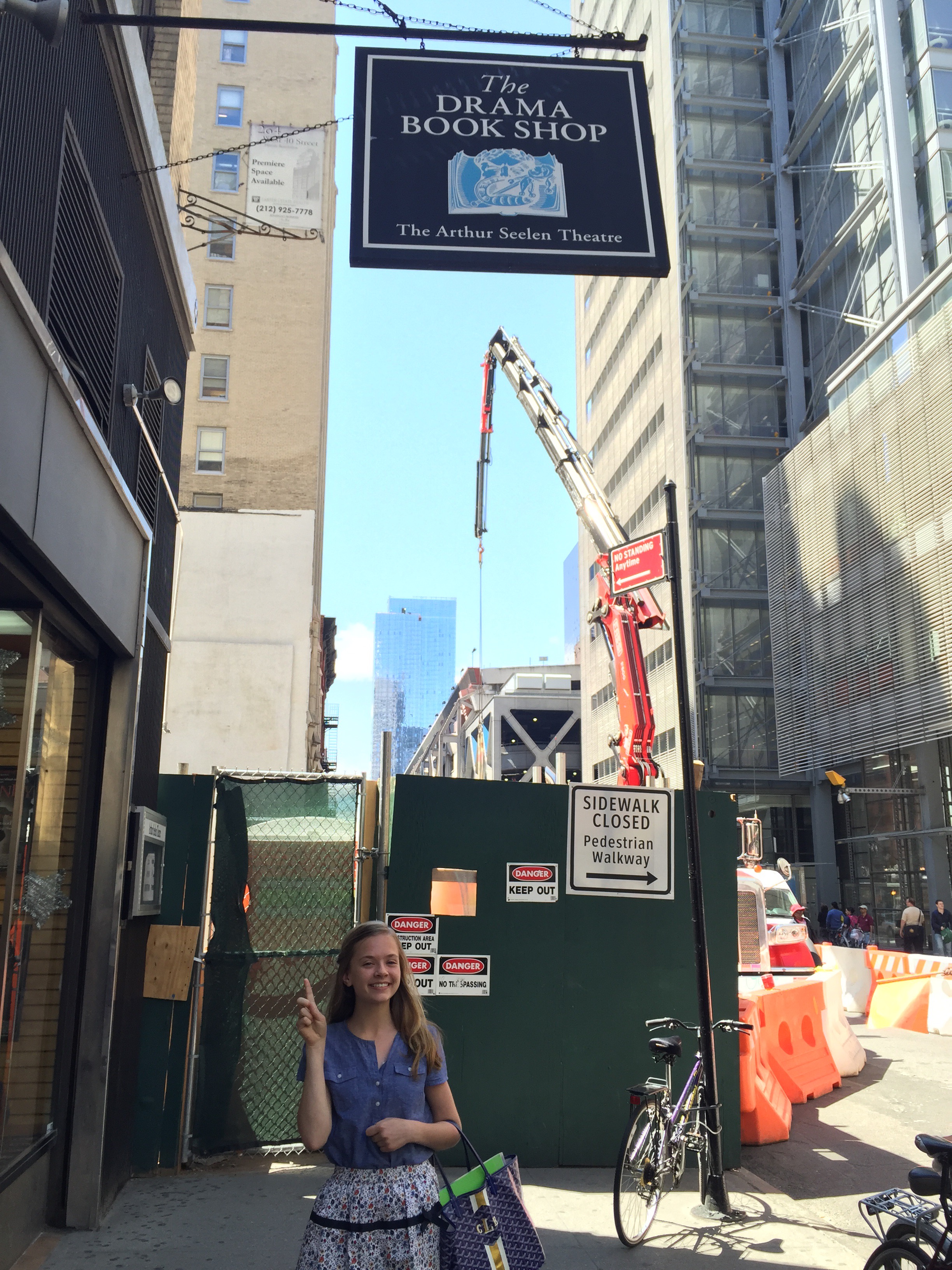
The Drama Book Shop

By Claire Langdon

This past Thursday, I was in New York City for an audition. Before the appointment, we walked around the Theater District and Times Square in order to find a book store so that we would have something to read in the waiting room. It was then that we stumbled across a very unique book store: The Drama Book Shop. 

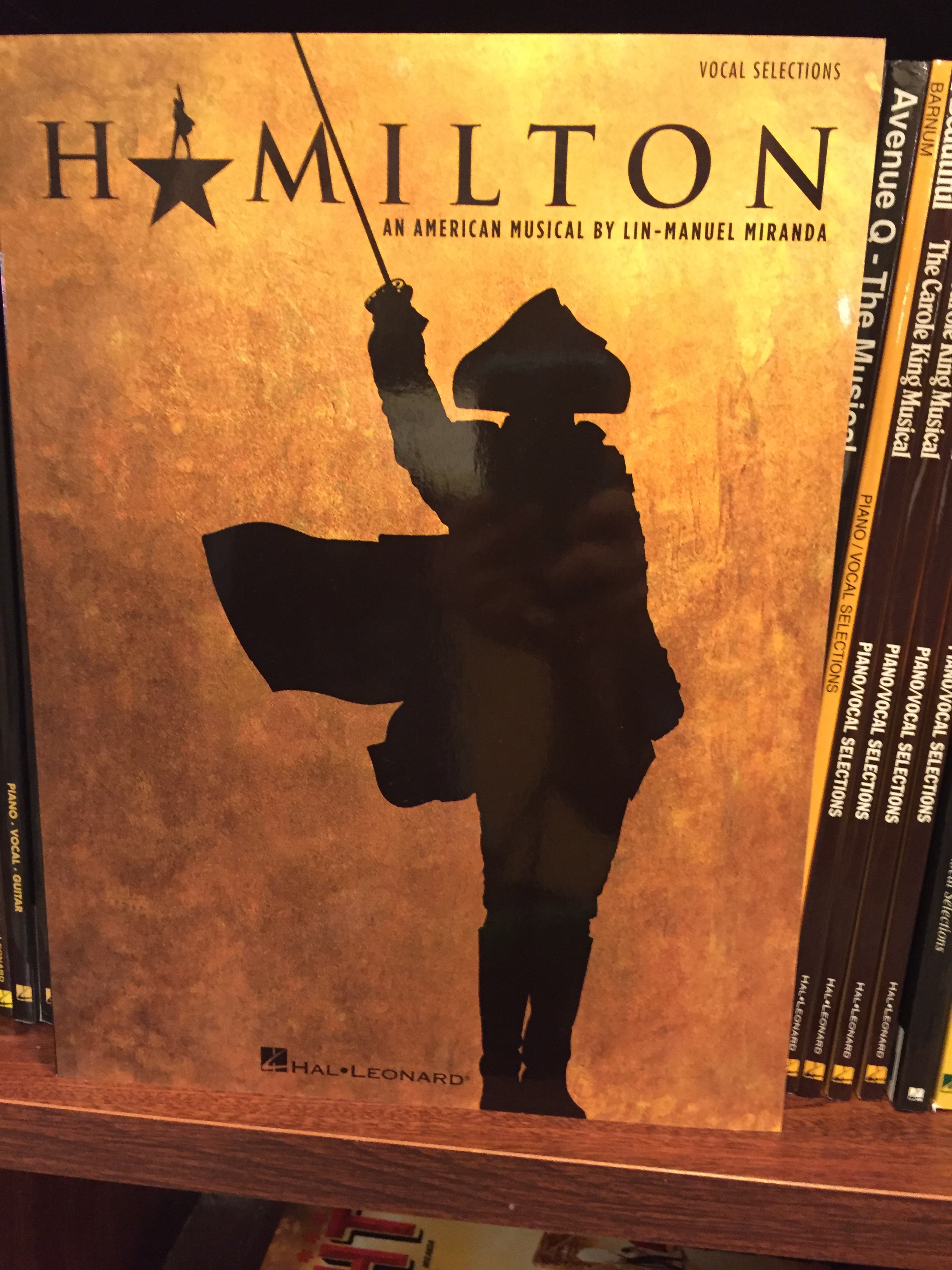
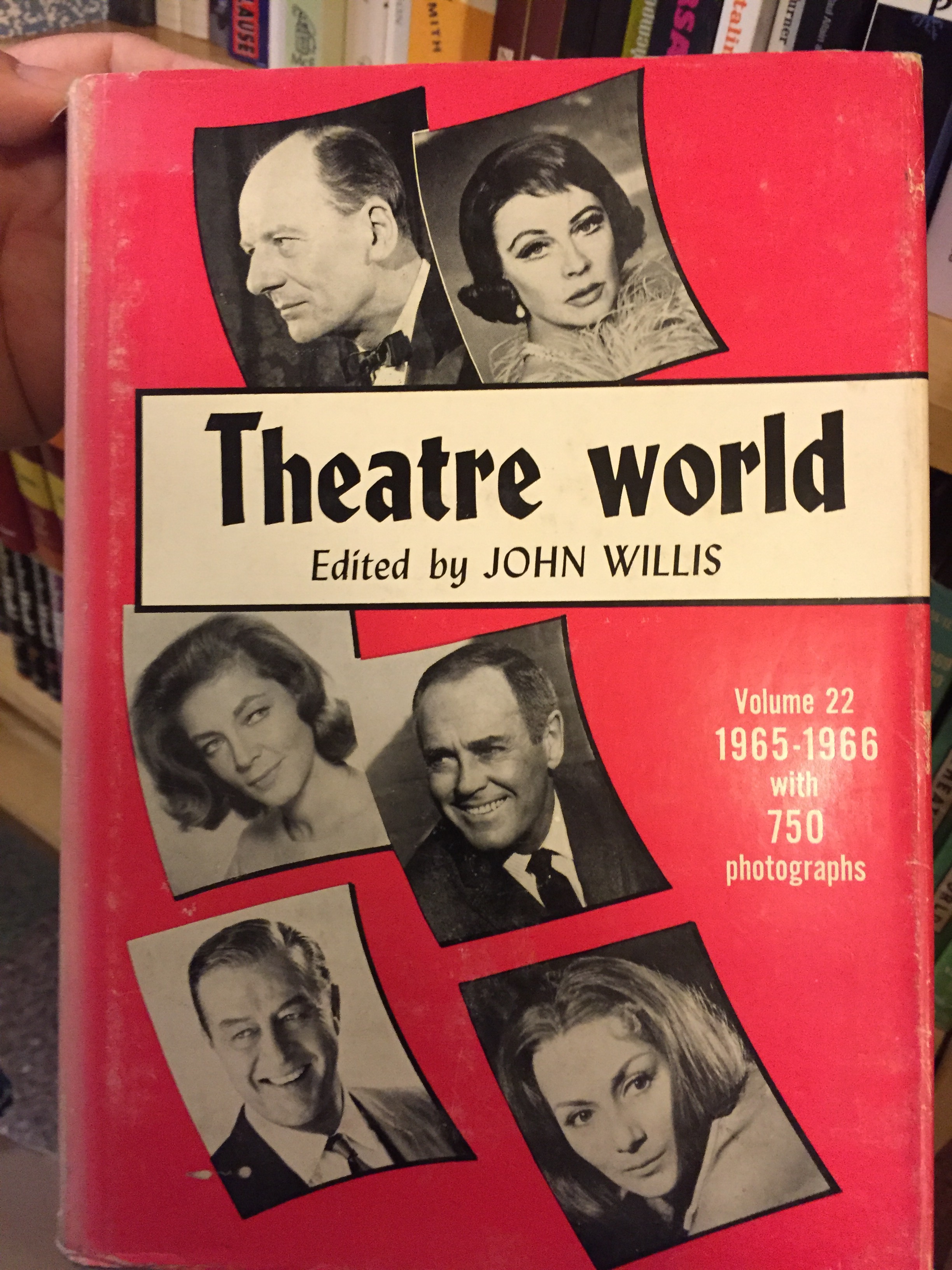
As suggested by its name, the shop carries merchandise related to show business. Entire plays by a spectrum of authors await the hands of voracious actors, authors and directors alike. Often, actors pass the time before auditions in the rickety yet comfortable assorted chairs and couches, because the overall atosphere of the Drama Book Shop is amicable and inviting. 

The merchandise itself includes scripts from the newest Broadway plays, to books on costume making, to guides on the lighting of Wicked the musical. There are even examples of elaborate and avant garde costumes of such originality, that one would only see anything like them in the tiny “theater world” nestled within the shop’s walls. 


Personally, we settled for the classics; there was an entire wall dedicated to Shakespearian plays in a variety of different publishers. On our way to the register, we even found a print of William Shakespeare completely composed out of phrases and titles from his plays. The timelessness of his plays go to show the integral role that quality literature plays in the lives of individuals and audiences, even over the course of centuries. 


The Drama Book Shop is a very original and unique store. Conveniently located on the outskirts of Times Square, it provides a familial atmosphere and a source for the inspiration and study of all things theatrical.